
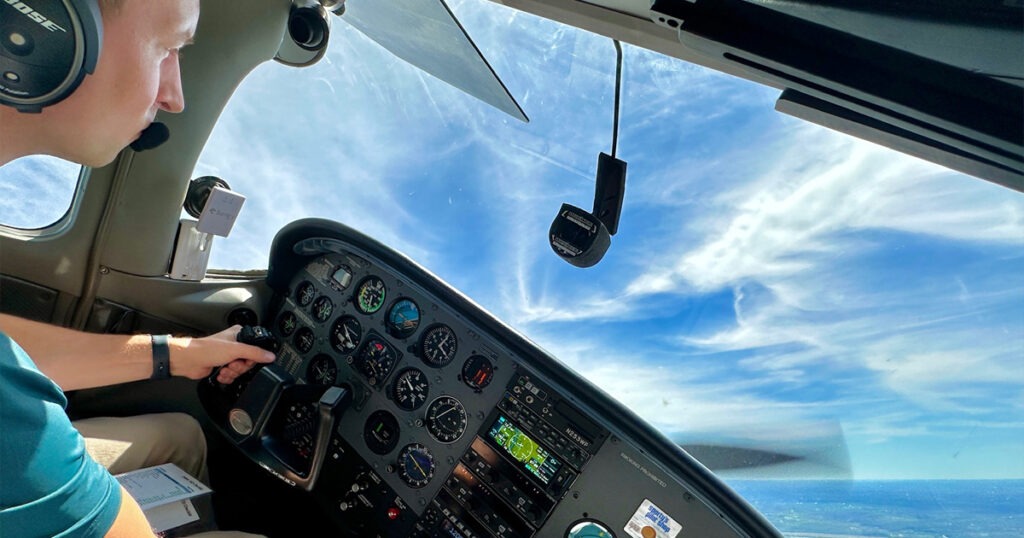
In aviation, no one just jumps into an airplane, slams the throttle forward, and hopes for the best. Every successful flight – whether it’s a local pattern run, cross-country, or drone mission – starts with a clear destination and a solid plan.
The same is true for your goals. Whether you’re working toward your first solo, preparing for the Part 107 exam, or simply trying to improve your skills, learning how to set goals and break them into manageable steps is one of the most important soft skills you can develop. And it’s one aviation teaches better than almost anything else.
Why Goals Matter
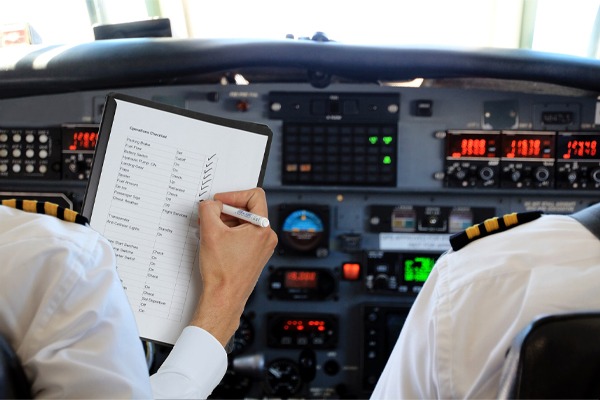
A goal is simply a clear outcome you want to achieve within a certain timeframe. In flying, that goal might be an airport along your flight plan. In everyday life, it might be earning a certificate, passing a test, or mastering a skill.
Without a goal:
- There’s no route to follow
- No determination of the resources you may need
- No sense of progress
Imagine filing a flight plan without a destination. It wouldn’t make much sense – and neither does approaching your education or training without one.
The Problem with Big Goals
Big goals are exciting, but they can also be vague and/or intimidating.
Statements like:
- “I want to be a better pilot”
- “I want to pass the Part 107”
- “I want to solo someday”
… are great starting points, but they’re too vague on their own. Without structure, big goals often feel overwhelming, which leads to procrastination or burnout.
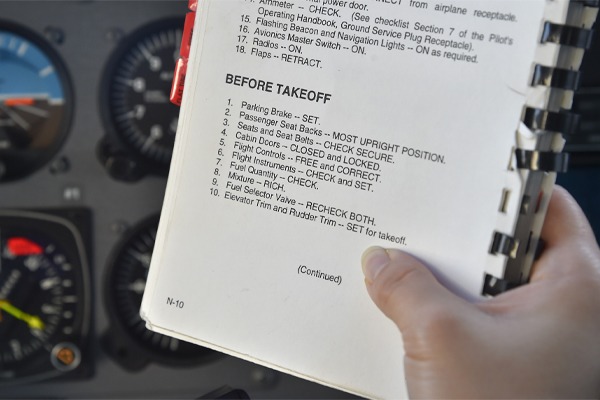
Pilots know better than that. You wouldn’t launch on a long flight without checking the weather, calculating fuel, and planning alternates. Big goals need the same level of preparation.
Break the Goal into Smaller Tasks
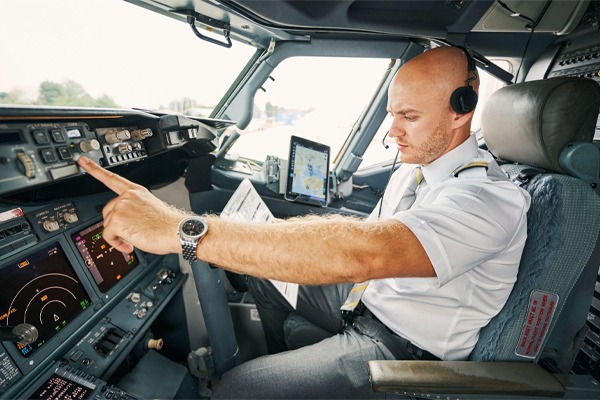
This is where real progress happens. In aviation, complex operations are broken down into simple, repeatable steps – checklists, flows, and procedures. Goal setting works the same way.
Example: Goal – First Solo
- Learn the traffic pattern
- Practice consistent landings
- Chair-fly procedures at home
- Review checklists and Pilot Operating Handbook (POH)
- Receive instructor endorsement
Example: Goal – Pass the Part 107 Exam
- Study airspace classifications
- Learn basic aviation weather
- Review regulations
- Take practice exams
- Schedule the test date
Each task is manageable. None of them requires you to do everything at once. Instead, they build momentum – and confidence.
The Role of Time Management
A task without a deadline is just a good intention.
In aviation, timing matters:
- Estimated time enroute
- Fuel reserves
- Daylight remaining
- Weather windows
Applying time management to your goals means deciding when tasks will be done, not just what needs to be done.
Instead of saying, “I’ll study airspace sometime,” try: “I’ll study airspace for 20 minutes on Tuesday evening.”
Small, scheduled actions are far more effective than waiting for motivation to strike.

Use the Same Tools Pilots Rely On
Pilots don’t rely on memory alone – and neither should you.
Aviation utilizes tools like checklists, training syllabi, and logbooks to track milestones and progress. You can use similar tools in everyday life, from to-do lists and weekly planners to phone reminders and progress tracking apps.
The key lesson here is discipline. Motivation comes and goes, but discipline – built through systems – keeps you moving forward even on days you don’t feel like it.
Learning how to set goals and break them into smaller steps doesn’t just make you a better pilot or drone operator. It builds skills that apply everywhere: school, careers, leadership, stress management, decision-making, and more.
When you learn to plan like a pilot, you learn how to tackle challenges with confidence instead of feeling overwhelmed. This month, write down one aviation-related goal, breaking it down into 3-5 smaller tasks. Then assign a realistic deadline for each task.
That’s it. Because the best pilots – and the most successful people – don’t rush the journey. They plan it. Your destination matters. But how you get there often matters even more!