
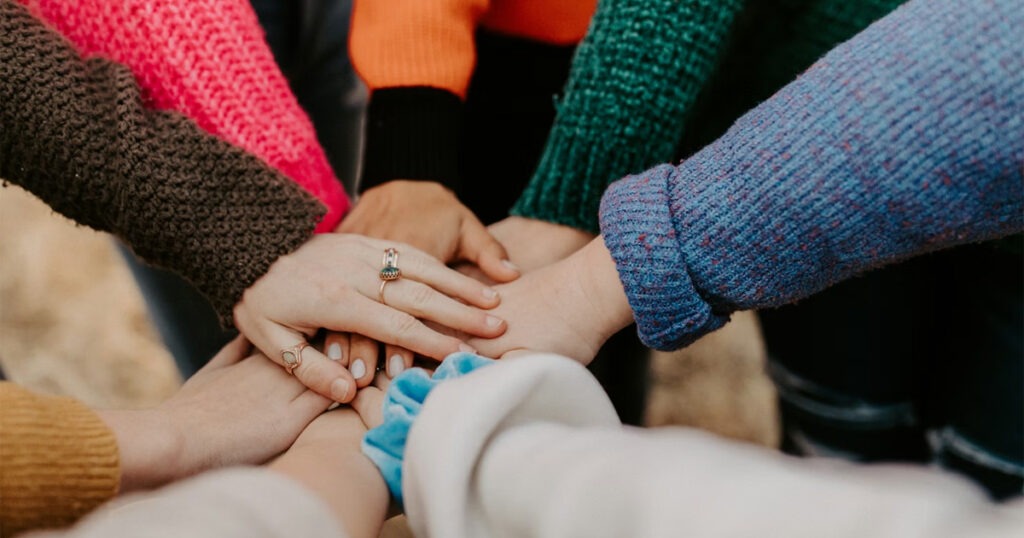
When people think about aviation education, they often picture technical knowledge – aerodynamics, checklists, instruments, and regulations. But behind every saft flight is something just as critical and far less visible: soft skills like teamwork and trust. These are not optional in aviation; they are essential.
At DreamFlight Charities, aviation is used as a platform not only to teach students about the wonders of flight, but how people work together, with these lessons reaching far beyond the cockpit and into everyday life.
Aviation Is Never a Solo Activity
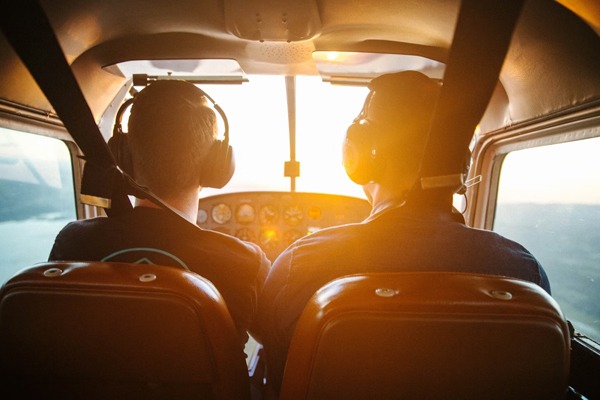
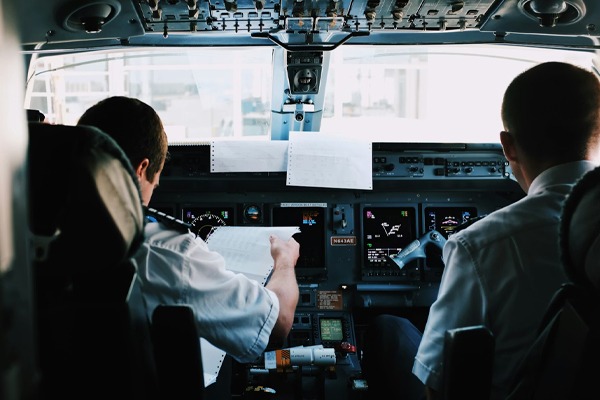
Even when there is only one pilot in the cockpit, aviation is a team effort. Pilots constantly rely on:
- Flight instructors for guidance and mentorship
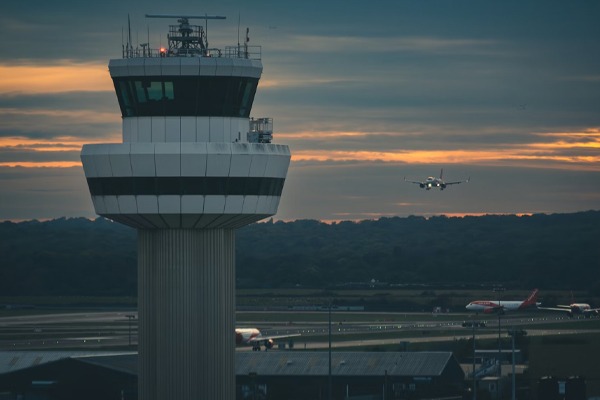
- Air traffic controllers for safe and orderly traffic flow
- Mechanics and technicians to ensure aircraft worthiness
- Dispatchers, ground crew, and educators supporting operations
From the very first lesson, students learn that success in aviation depends on cooperation, communication, and shared responsibility. No one does this alone.
Learning Teamwork Through Aviation Education
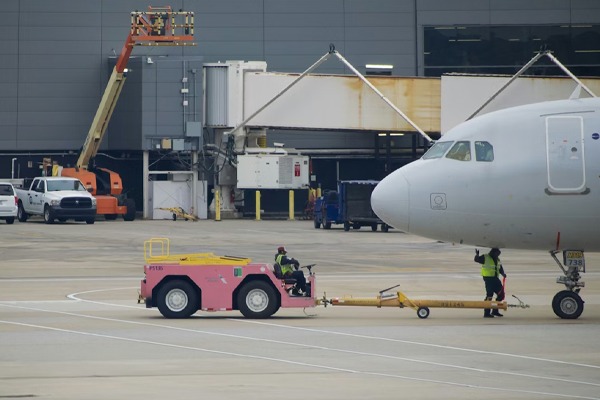
Aviation education naturally places students in team-based environments. Whether working through a preflight inspection, planning a cross-country flight, or participating in a simulator session, students must collaborate and communicate clearly.
These experiences can help students develop:
- Clear Communication: Explaining ideas, asking questions, and confirming understanding
- Role Awareness: Knowing when to lead and when to support
- Problem-Solving Together: Addressing challenges calmly and collectively
Teamwork in aviation teaches students that listening is just as important as speaking – and that the best outcomes come from shared effort.
Trust: The Foundation of Safe Flight
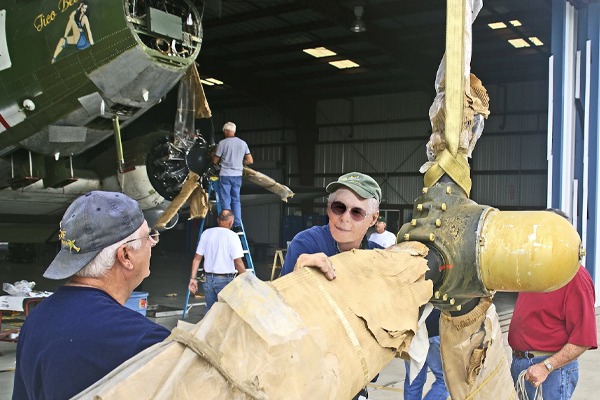
Trust is at the heart of aviation. Students must trust their instructors to teach correctly and intervene when necessary. Instructors must trust students to apply what they’ve learned and speak up when they are unsure.
Aviation education reinforces trust by emphasizing:
- Standard procedures and checklists everyone follows
- Honest communication about mistakes and uncertainties
- Accountability, where actions affect the entire team
When trust is present, learning accelerates and confidence grows. When it is missing, safety suffers. Aviation makes that connection clearly early on.
Building Confidence Through Responsiblity
Aviation gives students real responsibility in a controlled environment. Decisions matter. Preparation matters. Follow-through matters.
As students demonstrate reliability, trust increases – and so does self-confidence. This cycle helps students learn that trust is earned through consistency, preparation, and integrity.
These lessons translate directly into school, careers, and relationships.
Why These Skills Matter
Teamwork and trust are not just aviation skills; they are life skills. Employers, educators, and communities all depend on individuals who can:
- Work effectively with others
- Communicate under pressure
- Take responsibility for their actions
- Build trust through professionalism and respect
Aviation education provides a powerful, real-world framework for developing these abilities in meaningful and memorable ways.
At DreamFlight Charities, the foal isn’t only to create pilots – it’s to develop confident, capable individuals. Aviation is the tool, but character, teamwork, and trust are the outcomes.
By placing students in environments where cooperation and trust are essential, DreamFlight helps prepare them not just for flight training, but for life.
Because when students learn to work together and trust one another on the ground, they’re better prepared to soar – wherever their journey takes them.