
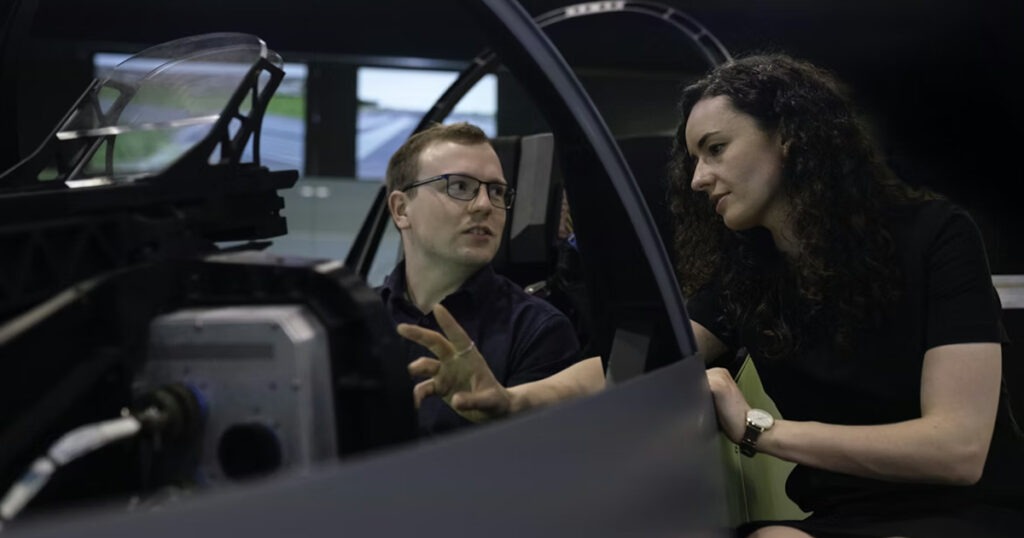
Aviation is often associated with speed, precision, and technology – but at its heart, it is built on communication. From the first day a student pilot steps into a classroom to the moment and experience captain taxis onto a busy runway, effective communication is essential. For organizations like DreamFlight Charities, aviation education is not just about teaching students how to fly – it’s about equipping them with lifelong skills, including the ability to communicate clearly, confidently, and attentively.
Here are several ways aviation and aviation education uniquely foster strong communication skills – especially active listening!
Precision in Speech
In aviation, words matter.
Pilots and air traffic controllers rely on standardized phraseology to avoid confusion. A simple instruction such as “Cleared for takeoff” carries specific legal and safety implications. Students quickly learn that clarity, brevity, and accuracy are non-negotiable.
Through this training, students develop:
- Clear articulation
- Structured verbal responses
- Confidence in public speaking
- The ability to organize thoughts quickly
Unlike casual conversation, aviation communication demands intentionality – an invaluable skill in classrooms, workplaces, and leadership roles.
Active Listening Becomes Second Nature
Active listening is more than hearing words – it involves processing, confirming, and responding appropriately.
In aviation training, students must:
- Listen carefully to radio transmissions
- Filter relevant instructions from background chatter
- Read back clearances accurately
- Ask clarifying questions when unsure
A missed word can mean a missed instruction. As a result, students develop disciplined listening habits:
- Focused attention
- Mental processing under pressure
- Confirmation techniques (“read-backs”)
- Respectful turn-taking in conversation
These habits translate directly into improved academic performance and stronger interpersonal relationships.
Collaborative Communication
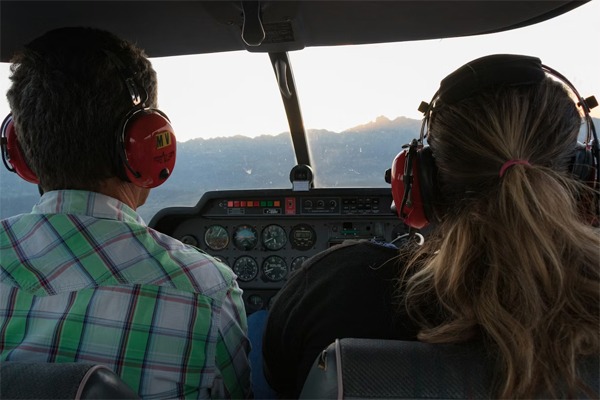
Modern aviation emphasizes Crew Resource Management (CRM) – a system that promotes teamwork, situational awareness, and shared decision-making.
Students learn how to:
- Express concerns respectfully
- Invite input from others
- Provide constructive feedback
- Resolve misunderstandings quickly
CRM training teaches that communication is not hierarchical – it’s collaborative. Even the most junior crew member is empowered to speak up for safety.
This fosters confidence, humility, and emotional intelligence – skills essential in any team environment.
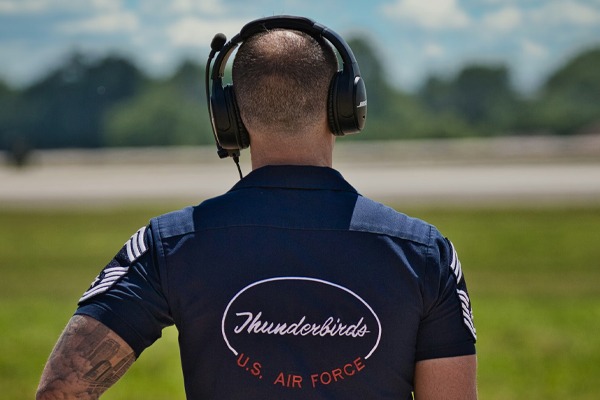
Confidence Under Pressure
Few environments simulate real-time communication like aviation.
Whether responding to a simulated emergency or navigating busy airspace, students must communicate calmly and effectively. Over time, they learn to:
- Control tone and pacing
- Think before speaking
- Stay composed in stressful situations
- Communicate solutions rather than panic
This type of training builds resilience and leadership capacity, particularly in young learners.
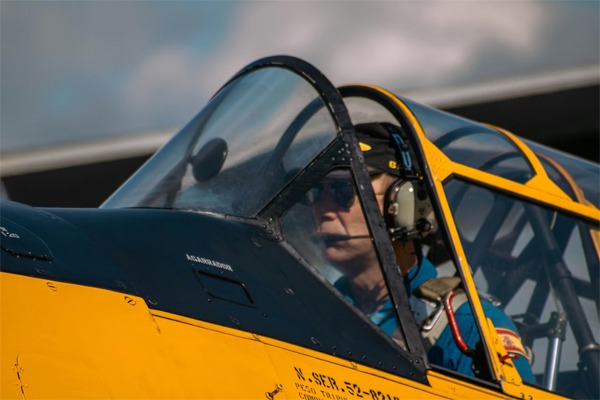
Enhanced Vocabulary and Comprehension
Aviation education introduces students to specialized terminology related to weather, navigation, aerodynamics, and systems. Learning to understand and use technical language:
- Expands vocabulary
- Strengthens reading comprehension
- Improves contextual listening skills
- Develops the ability to translate complex ideas into simpler explanations
Students not only learn new words – they learn how to use language with purpose.
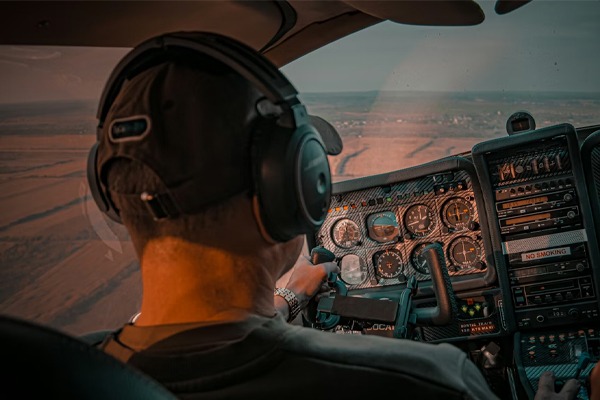
Connecting Communication to Responsibility
In aviation, communication is directly tied to safety and trust. Students quickly recognize that:
- Miscommunication has consequences
- Listening well protects others
- Clear speech demonstrates professionalism
This connection between communication and responsibility builds maturity. Students understand that their words – and their attentiveness – matter.
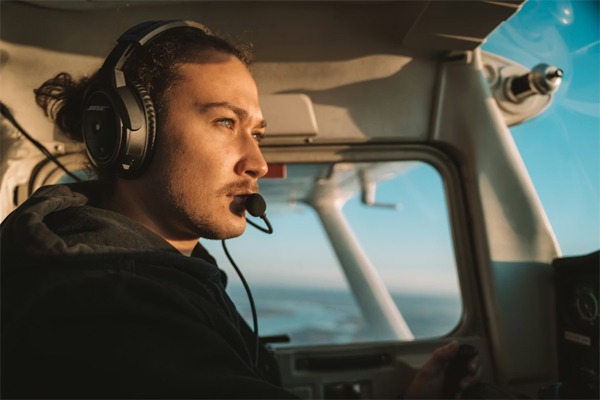
Opportunities for Real-World Practice
Unlike theoretical classroom discussions, aviation provides practical, repeated communication exercises:
- Pre-flight briefings
- Radio communications
- Weather discussions
- Post-flight briefings
- Group problem-solving exercises
These structured interactions allow students to practice both speaking and listening in meaningful, real-world contexts.
Strong communication skills are foundational to success in virtually every field – education, business, ministry, public service, and beyond. Aviation education uniquely integrates communication training into every lesson, every checklist, and every flight scenario.
For students involved with DreamFlight Charities, aviation becomes more than a pathway to the skies – it becomes a platform for personal growth.
When a student learns to make a confident radio call, they are also learning how to:
- Speak clearly in a job interview
- Lead a team discussion
- Advocate respectfully for others
- Listen actively in relationships
In aviation, communication is not optional – it is essential. And through that essential practice, students develop skills that will serve them for a lifetime.