

In a world filled with distractions, deadlines, and constant demands for attention, time management has become one of the most valuable soft skills a young person can develop. Employers consistently rank reliability, organization, punctuality, and prioritization among the most desirable workplace traits. Yet these skills are often difficult to teach in a traditional classroom environment.
Aviation education and flight training offer a unique solution.
Whether a student is learning the fundamentals of aerodynamics, preparing for a simulator session, or training for their first solo flight, aviation naturally develops disciplined time management habits. The structure and responsibility embedded within aviation create an environment where students quickly learn that preparation, planning, and punctuation are not optional – they are essential.
For organizations like DreamFlight Charities, aviation is about far more than airplanes. It is about building confidence, character, leadership, and life skills that extend far beyond the cockpit.

Aviation Teaches That Preparation Matters
One of the first lessons any aviation student learns is that a successful flight begins long before the engine starts.
Pilots must prepare weather briefings, review aircraft performance, calculate fuel requirements, study airspace restrictions, and complete safety inspections. Missing even a small detail can create larger problems later. As a result, aviation students quickly understand the importance of planning ahead and managing their time effectively.
This habit translates directly into everyday life.
Students involved in aviation programs often begin organizing their schedules more carefully. They learn to arrive early, prepare materials in advance, and think proactively instead of reactively. Over time, these behaviors become second nature.
Unlike many school assignments where deadlines may feel flexible, aviation provides immediate real-world accountability. A delayed preflight inspection, forgotten checklist, or missed briefing can disrupt an entire lesson. Students begin to recognize that managing time well creates smoother, safer, and more successful outcomes.

Flight Training Encourages Prioritization
Time management is not simply about staying busy – it is about knowing what matter most.
Aviation constantly reinforces prioritization. Pilots are trained to focus first on the most critical tasks while minimizing distractions. During flight training, students must balance navigation, communication, weather awareness, aircraft control, and decision-making simultaneously.
This environment teaches students how to organize competing responsibilities effectively.
For example, a student pilot preparing for a lesson may need to complete homework, review flight maneuvers, study aviation regulations, and coordinate transportation to the airport. Over time, they learn how to break large responsibilities into manageable tasks and allocate their time accordingly.
These experiences mirror real-life challenges students will face later in college, careers, and leadership positions.
Aviation students learn to ask important questions:
- What must be completed first?
- What can wait?
- What preparation can reduce stress later
- How do I stay focused under pressure?
These are the same questions successful professionals ask every day.
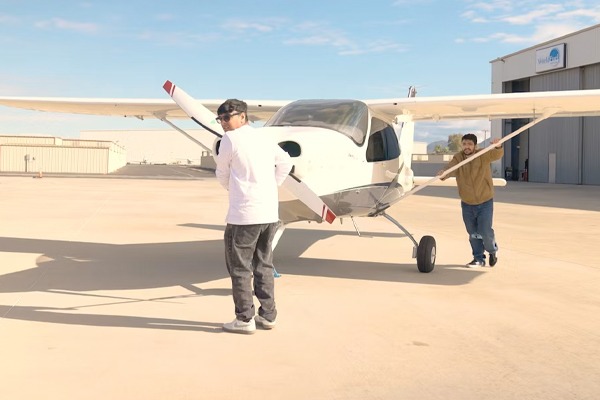
Aviation Reinforces Accountability
In aviation, people depend on one another.
Flight instructors rely on students to arrive prepared. Passengers rely on pilots to make safe decisions. Maintenance crews, air traffic controllers, and airport staff all operate within carefully coordinated systems where timing matters.
Because of this, aviation students quickly develop a strong sense of personal accountability.
Showing up late is not just inconvenient – it affects others. Failing to study can reduce the effectiveness of a lesson. Poor preparation wastes valuable flight time and resources. Students begin to understand that their actions have consequences beyond themselves.
This accountability helps young people mature in meaningful ways.
Many parents and educators notice that students involved in aviation programs become more dependable at home and in school. They often improve their communication skills, become more organized, and demonstrate greater ownership of their responsibilities.
The aviation environment naturally rewards consistency, discipline, and follow-through.
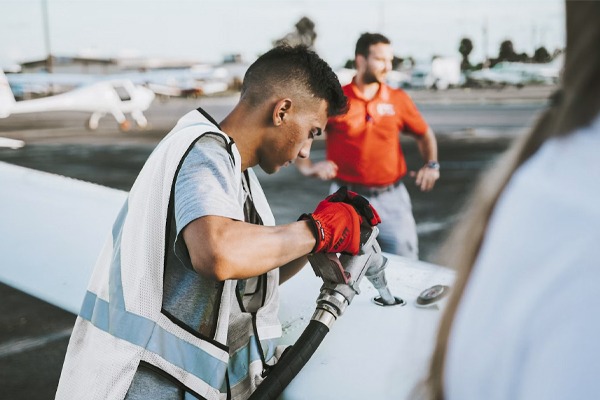
Structured Training Builds Discipline
Flight training follows a highly structured progression. Students cannot simply skip ahead to advanced skills without mastering foundational concepts first. Every lesson builds upon previous knowledge and requires repetition, review, and practice.
This structure helps students develop disciplined routines.
Aviation students often create study schedules, maintain logbooks, track progress toward certifications, and establish personal learning goals. They learn to balance short-term preparation with long-term achievement.
Importantly, aviation also teaches delayed gratification.
Earning a pilot certificate requires patience and persistence. Students discover that meaningful accomplishments are rarely immediate. Instead, success comes through consistent effort over time.
This lesson is increasingly important in a fast-paced digital culture that often emphasizes instant results.
Through aviation, students learn that managing time wisely is not about rushing – it is about building steady habits that lead to long-term success.
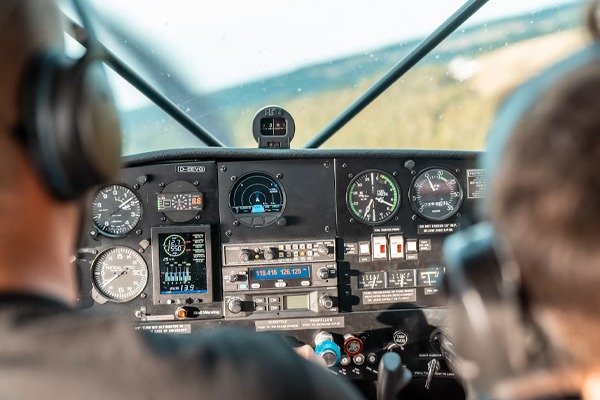
Time Management Creates Safer Pilots
In aviation, good time management is directly connected to safety.
Rushed decisions can create dangerous situations. Pilots are taught to slow down, use checklists, think ahead, and avoid unnecessary pressure. One of aviation’s most important principles is recognizing when time constraints are leading to poor judgment.
Students learn valuable concepts such as:
- Avoiding “get-there-itis”
- Building extra time into plans
- Preparing for unexpected delays
- Managing workload effectively
- Remaining calm under pressure
These habits extend far beyond aviation.
Young people who learn to manage stress, think ahead, and avoid last-minute panic are often better equipped to navigate academics, careers, and personal responsibilities later in life.
Aviation teaches students that effective time management is not just productive – it is responsible.
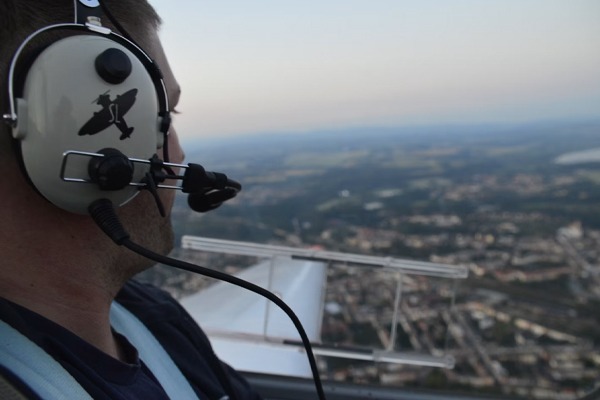
Aviation Builds Confidence Through Responsibility
Perhaps most importantly, aviation empowers students by trusting them with real responsibility.
When students successfully manager their schedules, prepare for flights, and meet training expectations, they gain confidence in their abilities. They begin to see themselves as capable, dependable, and disciplined individuals.
This confidence often carries into other areas of life.
Students who once struggled with organization may become leaders in team projects. Young people who lacked direction may develop strong academic motivation. Aviation gives students a tangible reason to improve their habits because the rewards are meaningful and exciting.
Flying an aircraft is an incredible privilege, and students quickly realize that professionalism matters.
That realization can become transformational.
At its core, aviation education is not simply about creating future pilots. It is about developing future leaders.
The time management skills learned through aviation help students succeed in countless careers – whether they become engineers, healthcare professionals, business owners, teachers, or public servants. The habits formed in aviation training create lifelong benefits rooted in discipline, accountability, preparation, and responsibility.
Programs supported by DreamFlight Charities are helping young people discover those lessons early.
In the cockpit, students learn how to manage time effectively because they must. But beyond the cockpit, they discover something even more valuable: the confidence and discipline to manager their lives with purpose.
And that may be one of aviation education’s greatest gifts of all.