
If your palms get sweaty when the seatbelt sign dings, you’re in good company. A fear of flying is one of the most common fears there is, and it makes sense. Flying asks you to trust a machine, a crew you’ve never met, and a sky you can’t see the edges of.
At DreamFlight Charities, we spend a lot of time helping first-time flyers (many of them students) get comfortable in the air. What we’ve learned is that fear usually comes from the unknown. So let’s make it known. Here are the most common fears we hear, and what the facts say about each one.
Myth #1 "Turbulence means something is wrong."
Fact: Turbulence is simply air in motion, like the ripples a boat feels crossing the wake of another boat. Airliners are built to handle far more than anything you’ll feel from your seat, and pilots use weather reports, radar, and reports from other aircraft to steer around the rough spots whenever they can.
The real risk from turbulence is being unbuckled when a bump comes. According to FAA data, there were 207 serious turbulence injuries on U.S. airline flights from 2009 through 2024, and about 80% of them happened to flight attendants, who are often on their feet during flight. Passengers accounted for 40 serious injuries in those 15 years, out of the billions of passengers who flew during that time.
The takeaway: Keep your seatbelt fastened whenever you’re seated, even when the sign is off. Do that, and turbulence is just a bumpy road, not a safety issue.
Myth #2 "That noise can't be good."
Fact: Airplanes are noisy, and almost every sound you hear is the airplane doing exactly what it’s supposed to. A few of the most common ones:
- A whine or hum after takeoff and before landing: the flaps and slats moving. They change the shape of the wing so the airplane can fly slowly and safely near the ground.
- A loud thunk under the floor: the landing gear retracting after takeoff or extending before landing.
- A change in engine sound after climbing out: the pilots reducing power from takeoff thrust to climb power. It’s normal and planned, not an engine “quitting.”
- A barking or grinding noise on the ground (common on some Airbus jets): a hydraulic pump balancing pressure between systems, sometimes nicknamed the “barking dog.”
- A rumble or roar right after touchdown: the engines’ reversers and the brakes slowing the airplane down.
The takeaway: Noise is information. When you know what the sounds mean, they stop being scary and start being interesting.
Myth #3 "I don't know who's flying this plane."
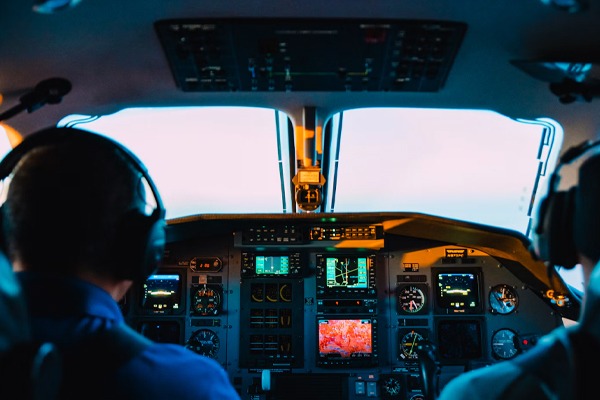
Fact: The people up front are some of the most thoroughly trained and tested professionals in any field. Here’s a look at the path:
- Private pilot: at least 40 hours of flight time under FAA rules, plus a written knowledge test and an in-flight exam (checkride) with an FAA examiner. Most students log well beyond the minimum before they’re ready.
- Instrument rating and commercial certificate: more training, more tests, and the skills to fly precisely by instruments alone in the clouds.
- Airline Transport Pilot (ATP): the certificate required to fly for a U.S. airline. The standard requirement is 1,500 hours of total flight time, with reduced minimums (750–1,250 hours) only for military pilots or graduates of approved aviation degree programs.
- Throughout their career: airline pilots go through recurring training and checkrides in full-motion simulators, where they practice engine failures, emergencies, and bad weather again and again. They also have to keep passing regular medical exams.
The takeaway: By the time a pilot is flying you to vacation, they’ve spent years and thousands of hours proving they can handle the unexpected.
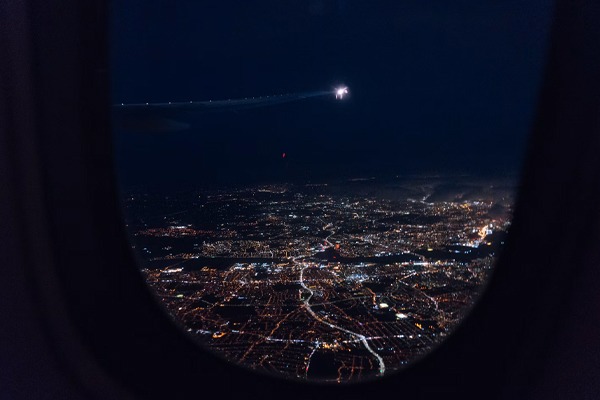
Myth #4 Flying is riskier than driving."
Fact: It’s the other way around, and it isn’t close. The National Safety Council, which compares transportation deaths per passenger mile traveled, reports that over the past 10 years the death rate for passenger vehicles was about 1,200 times higher than for scheduled airlines.
The drive to the airport is statistically the riskiest part of most trips.
The takeaway: Airline flying is among the safest ways to travel ever invented.
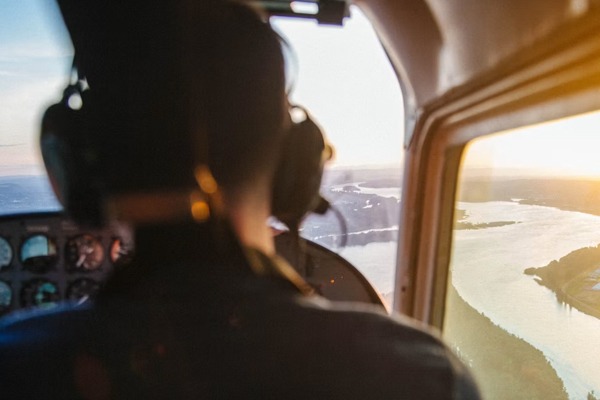
For Parents: When Your Student Is the One Flying
Many families first meet DreamFlight when a student wants to take a Discovery Flight or start flight training. It’s natural for parents to feel nervous too. A few things worth knowing:
- Every Discovery Flight is flown with a certificated flight instructor who briefs the student on the ground before the flight, then walks them through the airplane and the flight step by step.
- Flight training builds safety habits from the very first lesson: preflight inspections, checklists, weather decisions, and knowing when not to go.
- Students don’t fly solo until an instructor signs off that they’re ready. That sign-off is earned, not scheduled.
- You’re welcome to ask questions, meet the instructor, and see the airplane before your student ever climbs in.
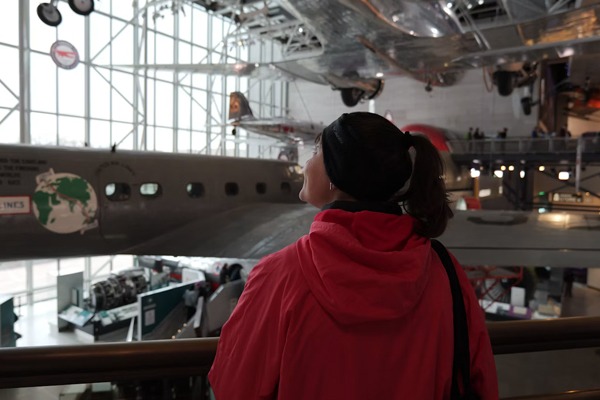
The Best Cure for Fear? Understanding.
The single most effective way we’ve seen people get past a fear of flying is to understand how flying works, and even better, to try it for themselves. At DreamFlight Charities, that can start with:
- A Discovery Event: a unique opportunity for ground school, simulator training, and time in an aircraft with a certified instructor.
- OpenSkies Flight Club: monthly Saturday meetings at Capital City Airport for middle and high school students, with ground school, guest pilots, and flight simulators.
- Finally, be sure to follow us on social media as we continue to highlight the various aspects of flight!
Sources
- Federal Aviation Administration, “Turbulence: Staying Safe,” faa.gov/travelers/fly_safe/turbulence (serious turbulence injury data, 2009–2024).
- National Safety Council, Injury Facts, “Deaths by Transportation Mode,” injuryfacts.nsc.org.
- 14 CFR § 61.109 (private pilot aeronautical experience) and 14 CFR § 61.160 (ATP reduced-minimum pathways), ecfr.gov.