
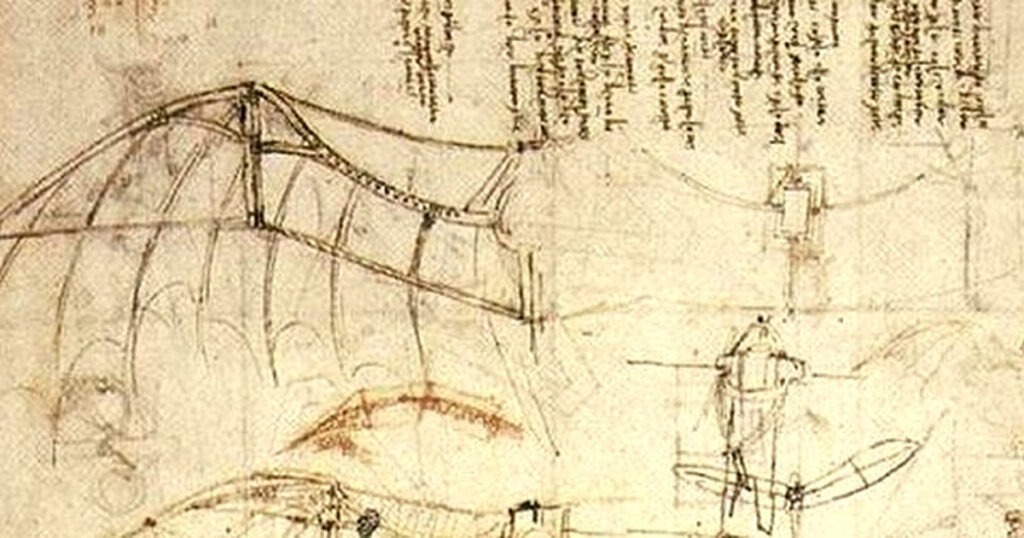
Long before jet engines, glass cockpits, and GPS navigation, human flight begam with a simple question: How do birds fly – and could we do the same?
The story of aviation is not the story of a single moment or a single person. It is a timeline of curiosity, experimentation, failure, and perseverance. At DreamFlight Charities, we use these early pioneers as powerful examples of how aviation education builds problem-solving skills, teamwork, and confidence – both in the air and on the ground.
Leonardo da Vinci:Imagining the Impossible
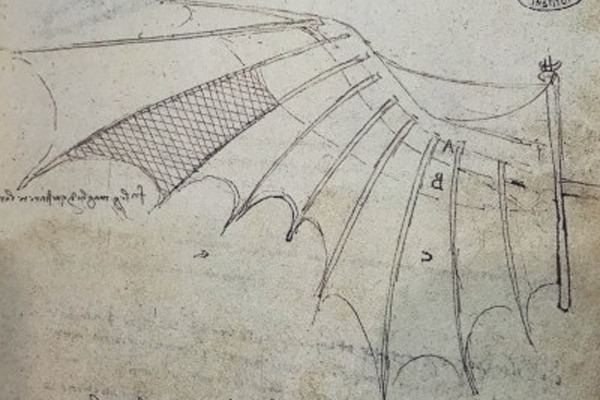
In the late 1400s, Leonardo da Vinci became one of the first people to seriously study the mechanics of flight. By observing birds and bats, he sketched elaborate flying machines, gliders, and even early concepts resembling helicopters.
Although none of Leonardo’s designs ever flew, his work mattered deeply. He showed that flight could be studied scientifically – not just dreamed about. His notebooks remind us that innovation often begins with imagination and careful observation.
Big breakthroughs start with asking bold questions.
Daniel Bernoulli:Discovering the Science of Lift
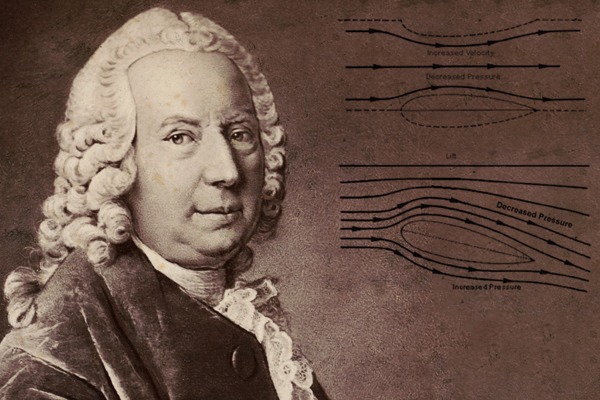
Fast forward to the 18th century, when Swiss mathematician Daniel Bernoulli uncovered a key principle of fluid dynamics. Bernoulli discovered that as the speed of a fluid (like air) increases, its pressure decreases.
This idea became foundational to understanding how wings generate lift. As air moves faster over the curved top of a wing than beneath it, pressure differences help pull the aircraft upward.
Every pilot, engineer, and drone operator today relies on this principle – even if they don’t realize it.
Math and science turn curiosity into capability.
Sir George Cayley:Designing the First Airplane
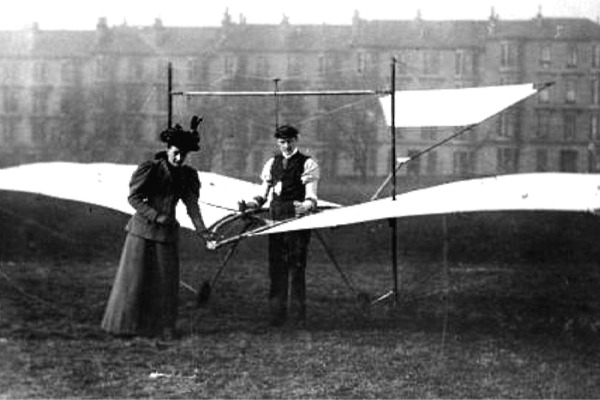
Often called the father of aeronautics, Sir George Cayley made one of the most important breakthroughs in aviation history during the early 1800s.
Cayley identified the four forces of flight – lift, weight, thrust, and drag – and realized that wings should generate lift while propulsion should be handled separately. His glider designs successfully carried humans, proving that controlled, heavier-than-air flight was possible.
Modern aircraft still follow the basic layout Cayley proposed over 200 years ago.
Understanding fundamentals allows innovation to last.
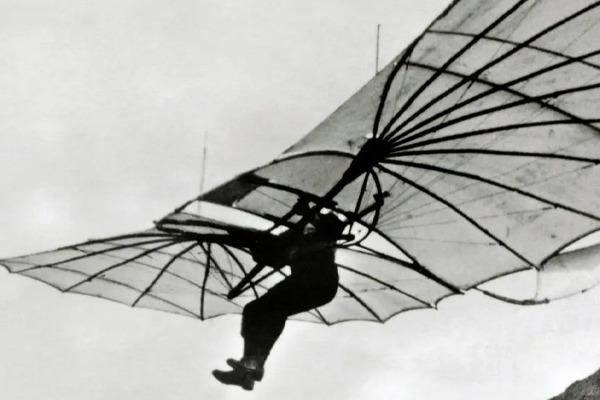
Otto Lilienthal:Learning Through Flight Itself
In the late 19th century, Otto Lilienthal took aviation research out of notebooks and into the sky. Known as the “Glider King,” Lilienthal completed more than 2,000 successful glider flights.
By testing wing shapes and documenting results, he demonstrated that stability and control were achievable. His real-world data became invaluable to future aviation pioneers.
Lilienthal believed that flight could only be mastered through hands-on experience – a philosophy that remains central to aviation training today.
Experience is one of the greatest teachers.
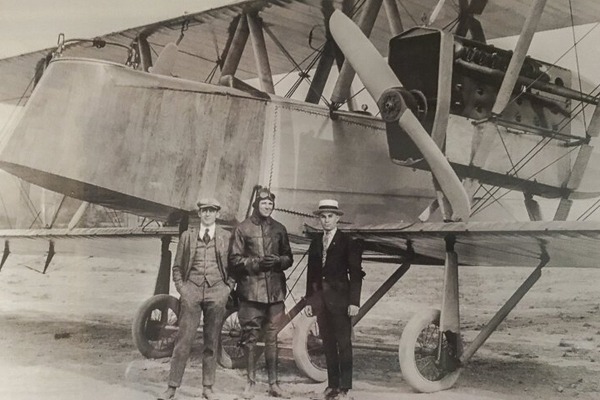
Honoring Their Legacy
The early pioneers of flight were not working with advanced technology or perfect information. They relied on teamwork, observation, trial and error, and trust in the learning process.
At DreamFlight Charities, aviation education is about more than learning how airplanes fly. It’s about helping students develop:
- Critical thinking and problem-solving skills
- Confidence through hands-on learning
- Teamwork and communication
- Trust in systems, training, and each other
The same principles that helped humanity leave the ground continue to help young people discover what they’re capable of achieving.
Every student who explores aviation today is standing on the shoulders of these early pioneers. By learning where flight began, students gain a deeper appreciation for both the science and the perseverance behind it.
Whether students pursue aviation careers or take these lessons into other fields, the skills they develop through aviation education will help them soar.
Interested in helping inspire the next generation? Discover our approach in preparing future aviators and industry workers!