
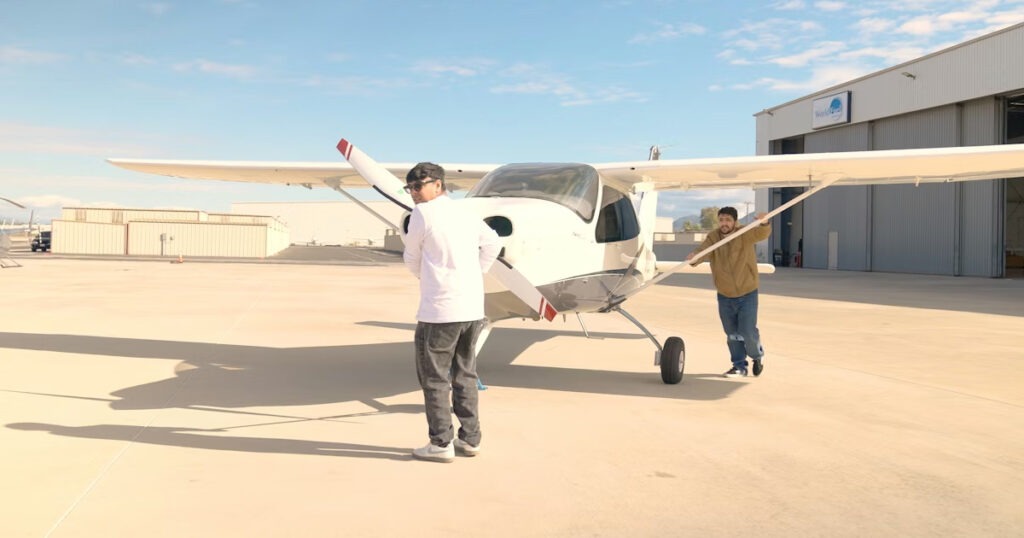
At DreamFLight Charities, we believe aviation is more than learning how to fly – it’s about building confidence, discipline, and lifelong skills. Over the past month, we’ve shared tips across our social media channels to help aspiring pilots understand what flight training really looks like, from the first discovery flight to advanced instructor ratings. This article brings those insights together into one clear roadmap.
Whether you’re just curious or are seriously considering a career in flight, here’s some helpful tops on how to get started – and how to do it well.
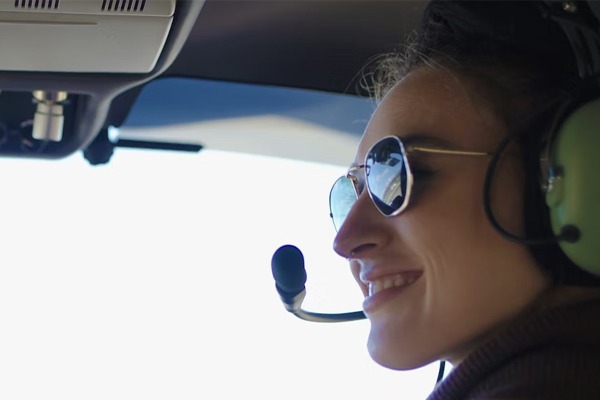
Step One: Take a Discovery Flight
A discovery flight is often the very first step into the cockpit. Think of it as a hands-on introduction to flying. You’ll sit in the pilot’s seat, handle the controls, and see what training aircraft and lessons are actually like.
Why it matters:
- Confirms whether flying is truly for you
- Introduces you to instructors, aircraft, and airport operations
- Helps reduce anxiety by replacing the unknown with experience
Many pilots say their discovery flight was the moment aviation became real. And, if you’re a Kentucky student, DreamFlight Charities is here to help you take your first steps toward the skies with their own Discovery Events!

Step Two: Secure a Medical Certificate
Before you invest significant time or money, it’s smart to confirm you can hold the required FAA medical certificate. Most student pilots pursue a Third-Class Medical, while those planning airline careers may eventually need a First-Class medical.
Key Tips:
- Schedule your medical early in the process
- Use an FAA-designated Aviation Medical Examiner (AME)
- Be honest and prepared with your medical history
Clearing this step early helps prevent costly surprises later. Don’t hesitate to contact us if you have questions or need help!

Step Three: Research Flight Schools & Instructors
Not all flight schools – or instructors – are the same. Finding the right environment can make or break your training experience.
What to look for in a flight instructor:
- Compatibility: You learn best with someone whose personality and pace match yours
- Clear Communication: Concepts should be explained in multiple ways until they click
- Teaching Mindset: Not jus a time-builder, but someone invested in your success
- Professionalism: Prepared lessons, punctuality, and respect for safety.
At the same time, be on the lookout for these red flags:
- No syllabus or clear training plan
- Vague or minimal feedback after lessons
- Hazardous attitudes toward safety or regulations
- Disinterest, lack of motivation, or constant distractions
You are allowed – and encouraged – to advocate for yourself as a student pilot. DreamFlight Charities also works with partnering flight schools to provide an additional layer of oversight for those students who have been awarded one of our Flight Training Scholarships.
Step Four: Study the Ground School Basics
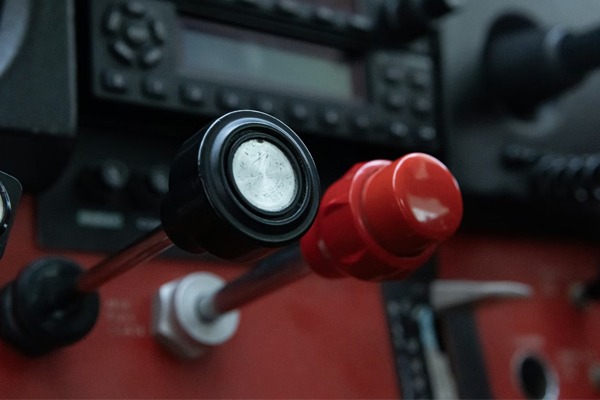
Flying isn’t only about stick-and-rudder skills. Ground school builds the foundation that keeps pilots safe and confident in the air.
Early topics include:
- Aerodynamics and how airplanes fly
- Airspace and regulations
- Weather fundamentals
- Aircraft systems and performance
Starting ground study early helps lessons in the airplane make sense faster – and saves money by reducing repeat flights. Your flight school may offer its own ground school curriculum, or you can turn to providers like Sporty’s or King Schools for self-paced, online instruction.
If you are a student between 8 and 17 years of age, check for a local EAA Young Eagles event to get FREE access to Sporty’s Online Ground School.
Understanding the Path to Professional Flight
Flight training is progressive, with each certificate building on the last:
- Private Pilot Certificate (PPL): Allows you to fly for personal and recreational purposes
- Instrument Rating (IR): Fly safely in low visibility and clouds
- Commercial Pilot Certificate: Fly for compensation or hire
- Certified Flight Instructor (CFI): Teach others to fly
- CFII: Allows you to teach instrument flight
Each step develops new skills, responsibility, and confidence – both in aviation and beyond.

The Advantages of Part 141
Be aware of the differences between Part 61 and Part 141 flight schools, the latter of which operate under an FAA-approved syllabus.
Potential benefits include:
- Structured, standardized training plans
- Clear milestones and progress tracking
- Reduced flight-hour requirements for certain certificates
- Ideal for students who thrive for organization and accountability
While Part 61 offers flexibility, Part 141 can be a strong fit for career-focused pilots.
Learning to fly is challenging – but that challenge is part of the reward. Aviation teaches perseverance, communication, decision-making, and trust in yourself and others.
At DreamFlight Charities, we’re passionate about making aviation accessible and meaningful. Whether your goal is personal achievement or professional flight, the journey starts with curiosity, preparation, and the right support.
If you’re ready to take that first step, the sky is waiting!