
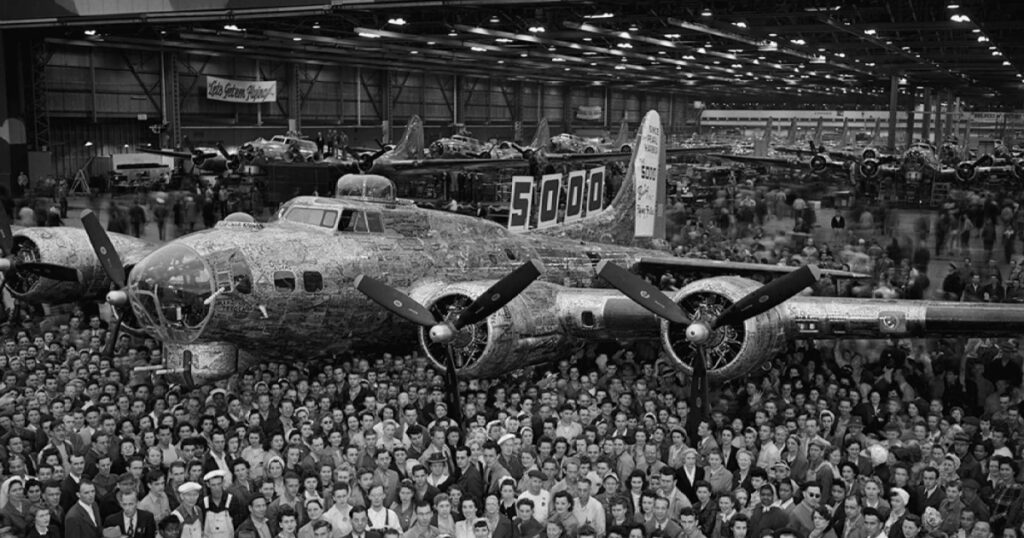
There’s something unforgettable about stepping into the Steven F. Udvar-Hazy Center. The sheer scale of aviation history on display reminds us that flight is more than technology – it’s courage, innovation, and the relentless pursuit of possibility.
During a recent visit, our team at DreamFlight Charities was struck not just by the aircraft handing in the the museum, but by the stories they carry. World War II, in particular, marked a turning point in aviation history – where necessity accelerated innovation and forever changed how we take to the skies.
Here are four remarkable WWII aircraft – some you may see at Udvar-Hazy – that helped shape aviation as we know it today.
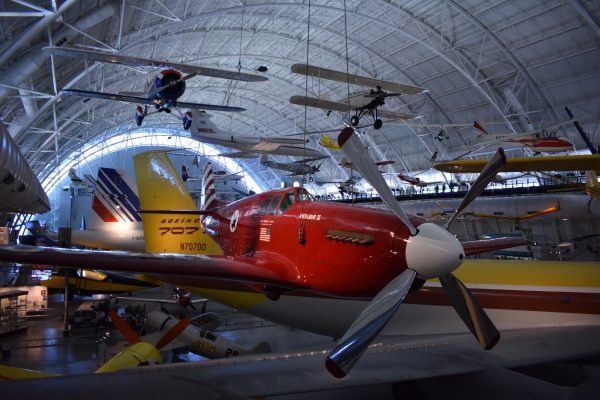
North American P-51 Mustang
Few aircraft symbolize air superiority like the P-51 Mustang. What made it truly revolutionary, however, wasn’t just its speed or firepower, but its range.
With the addition of drop tanks, the Mustang could escort bombers deep into enemy territory and back again. This capability dramatically reduced bomber losses and helped secure Allied air dominance over Europe.
For aspiring aviators, the Mustang represents a key lesson: endurance and efficiency can be just as critical as raw performance.
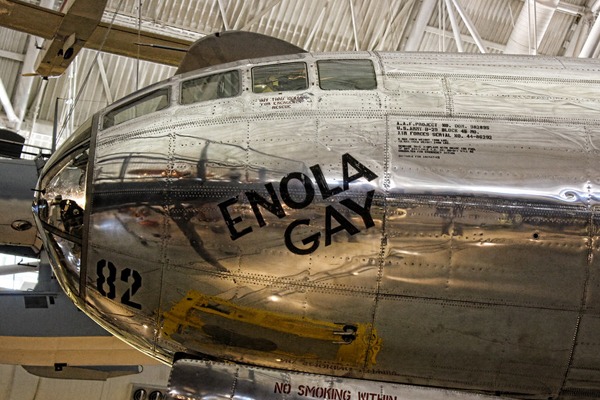
Boeing B-29 Superfortress
The B-29 wasn’t just another bomber – it was a technological leap forward. Featuring pressurized cabins, remote-controlled gun turrets, and advanced avionics for its time, it laid the groundwork for modern high-altitude flight.
It also played a pivotal role in bringing WWII to a close, forever cementing its place in history. The Enola Gay, which is prominently displayed at Udvar-Hazy, dropped the first atomic bomb (the “Little Boy”) on Hiroshima, Japan, on August 6, 1945.
Today, many of the systems we take for granted in both commercial aviation and advanced unmanned systems trace their roots back to the innovations pioneered in aircraft like the B-29.
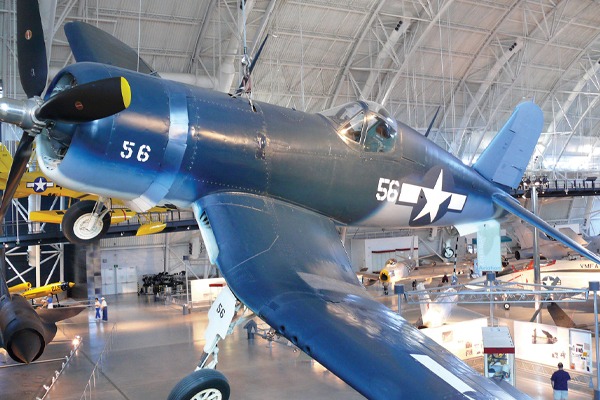
Vought F4U Corsair
With it’s distinctive inverted gull wing design, the Corsair was as recognizable as it was powerful. But it wasn’t easy to fly – early carrier landings were notoriously difficult.
Pilots who mastered the Corsair became some of the most skilled aviators of the war. Its story reminds us that great performance often comes with great responsibility – and that training and discipline are essential to unlocking potential.
For students learning to fly today, whether in the cockpit or by drone, the Corsair is a powerful metaphor: challenges are note obstacles, but opportunities to grow.
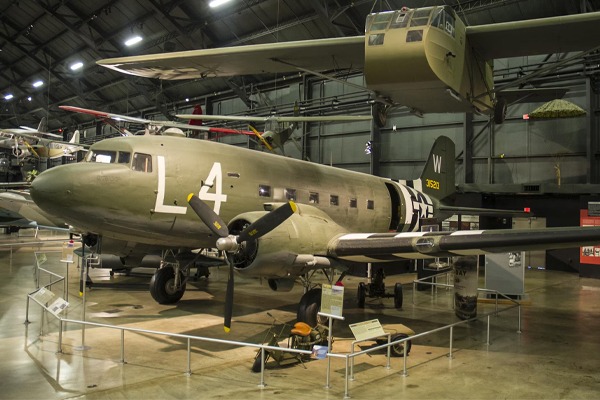
Douglas C-47 Skytrain
While fighters and bombers often get the spotlight, the C-47 quietly became one of the most important aircraft of World War II.
It carried troops, delivered supplies, towed gliders, and even dropped paratroopers during pivotal operations like D-Day. Its reliability and versatility made it indispensable.
In many ways, the C-47 represents the heard of aviation service – mission-focused, dependable, and always ready. It’s a reminder that aviation isn’t just about flying fast or high – it’s about meeting the task at hand.
Walking through the Udvar-Hazy Center, it’s easy to be awed by the size and power of these aircraft. But what stands out most are the people behind them – the pilots, engineers, mechanics, and dreamers who made flight possible under extraordinary circumstances.
At DreamFlight Charities, that same spirit lives on in the students we serve. Whether they pursue careers in aviation or simply discover a new passion, these stories remind us that the sky is not the limit – it’s just the beginning.