
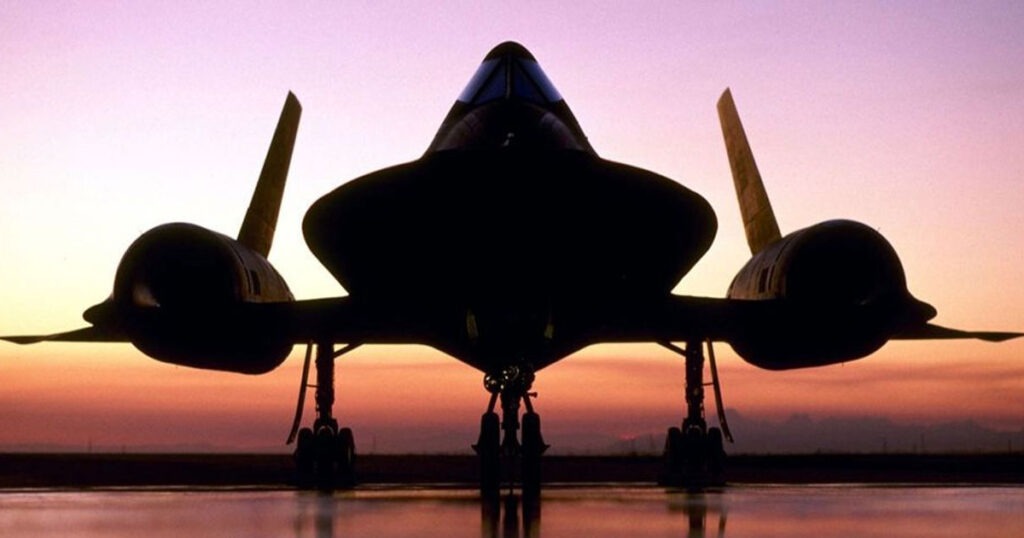
A visit to the Steven F. Udvar-Hazy Center is more than a walk through aviation history – it’s a journey into the moments that reshaped what humanity believed was possible.
For our team at DreamFlight Charities, one section stood out in a unique way: the aircraft born from the pressures and possibilities of the Cold War.
Unlike World War II, where aviation innovation was driven by immediate battlefield needs, the Cold War pushed aviation into new frontiers – speed, altitude, stealth, and reconnaissance. It was an era defined by pushing the limits, often in silence, and sometimes at the very edge of what was thought survivable.
Here are four iconic Cold War-era aircraft that helped redefine aviation – and continue to influence the way we fly today.
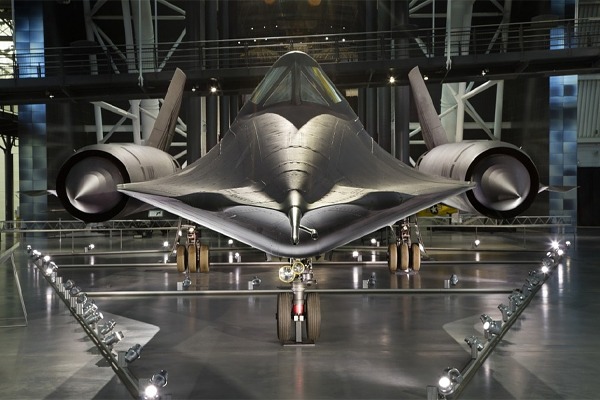
Lockheed SR-71 Blackbird
Few aircraft capture imagination like the SR-71 Blackbird. Designed to outrun threats rather than fight them, it could cruise at speeds over Mach 3 and at altitudes exceeding 80,000 feet.
Its titanium construction and cutting-edge design allowed it to operate in environments where traditional aircraft simply couldn’t survive.
The Blackbird teaches a powerful lesson: sometimes the best solution isn’t confrontation – it’s innovation. In today’s aviation world, that same mindset drives advancements in unmanned systems, high-altitude platforms, and beyond.
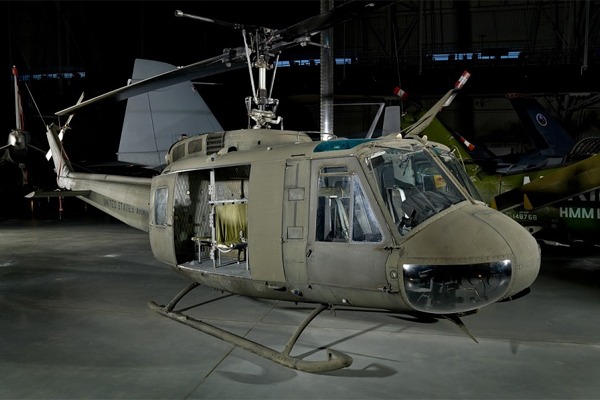
Bell UH-1 Iroquois "Huey"
The UH-1 “Huey” became one of the most recognizable aircraft of the Cold War, particularly during the Vietnam War. It revolutionized how troops were transported, evacuated, and supported in combat.
For the first time, helicopters became central to battlefield strategy – introducing air mobility in ways that continue to shape both military and civilian operations today.
For students, the Huey highlights how aviation isn’t limited to fixed-wing flight. Vertical lift aircraft – and now drones – extend aviation’s reach into places airplanes simply cannot go.
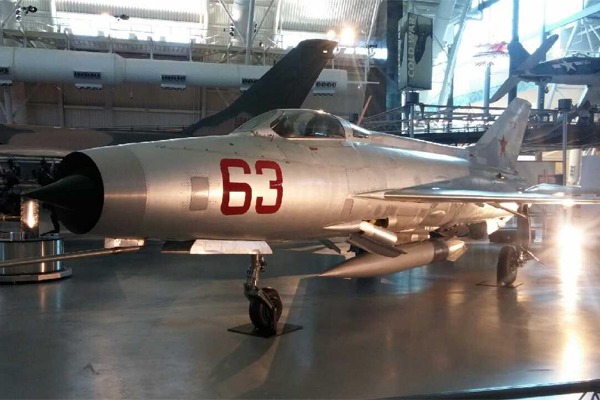
Mikoyan-Gurevich MiG-21
On the other side of the Iron Curtain, the MiG-21 became one of the most widely produced supersonic fighters in history.
Its design prioritized simplicity, speed, and mass production – making it a formidable presence in air forces around the world.
The MiG-21 reminds us that innovation doesn’t always mean complexity. Sometimes, the most effective solutions are those that balance performance with practicality – an important concept for aircraft designers and engineers today.
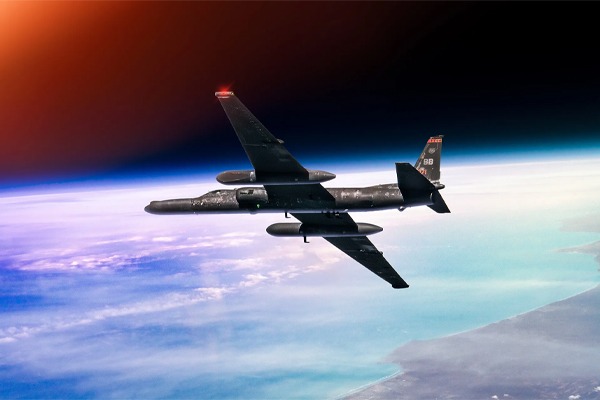
Lockheed U-2
Long before satellites became the primary tool for global surveillance, the U-2 operated at extreme altitudes to gather critical intelligence.
Its missions required precision flying, endurance, and immense trust in both pilot and aircraft. Even today, U-2 pilots operate in conditions that blur the line between aviation and spaceflight.
The U-2’s legacy lives on in modern ISR (Intelligence, Surveillance, and Reconnaissance) missions – including many conducted by unmanned aircraft systems.
At DreamFlight Charities, we believe these stories are more than history – they’re a bridge to the future.
When students learn about aircraft like the SR-71 or U-2, they aren’t just learning about the past. They’re exploring the foundations of modern aerospace engineering, remote sensing, and high-performance flight.
The Cold War may have ended, but the spirit of innovation it sparked continues today – in autonomous systems, advanced materials, and new forms of flight. The students we serve are stepping into that next chapter. And, just like the pioneers of the Cold War era, they’ll be the ones to define what’s possible next.