
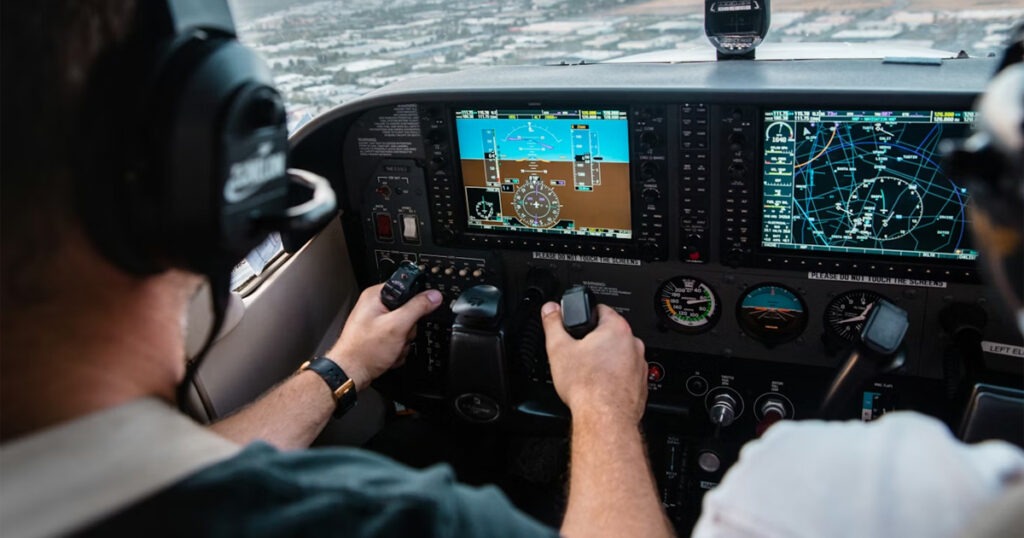
In aviation, few skills are as critical – or as quietly powerful – as situational awareness. It’s not a single instrument on the panel or checklist item you can simply complete. Instead, it’s a mindset: the continuous ability to perceive what’s happening around you, understanding what it means, and anticipating what might happen next.
For pilots, situational awareness can mean the difference between a smooth, safe flight and a cascading series of small mistakes. But what makes it especially compelling is how transferable it is. The same habits that keep pilots safe at 5,000 feet can make us more attentive parents, more effective leaders, and more capable of making thoughtful decision-makers on the ground.
At DreamFlight Charities, where aviation becomes a vehicle for mentorship and growth, situational awareness stands out as one of the most impactful soft skills young people can develop.
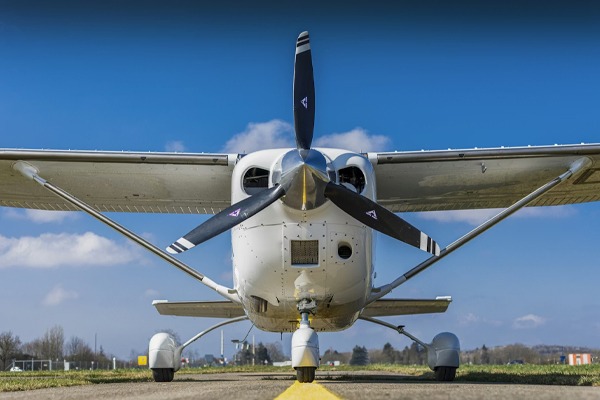
What Situational AwarenessLooks Like in the Cockpit
Imagine a student pilot on their first cross-country flight. They’re not just flying the airplane – they’re scanning instruments, listening to air traffic control, watching for other aircraft, monitoring weather conditions, and navigating toward their destination. All of this is happening simultaneously.
Situational awareness in this context operates on three levels:
- Perception
This is the raw intake of information. A pilot notices the altitude creeping up, hears a change in radio chatter, or spots clouds building on the horizon. It’s about observing without missing key details. - Comprehension
Information alone isn’t enough. The pilot must interpret what those signals mean. Is the rising altitude intentional, or a sign of distraction? Do those clouds indicate mild turbulence – or a developing storm? - Projection
This is where situational awareness becomes proactive. A skilled pilot doesn’t just react – they anticipate. If weather is deteriorating ahead, they’re already thinking about alternate routes. If fuel is running lower than expected, they’re planning a diversion early.
In aviation training, students quickly learn that losing situational awareness rarely happens all at once. It erodes gradually – when attention narrows too much, when distractions pile up, or when assumptions replace observation.
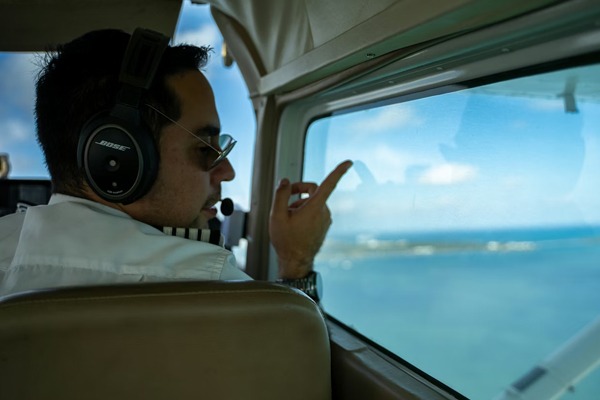
Why It Matters in Aviation
Aviation is unforgiving of complacency. The environment is dynamic, and conditions can change rapidly. A lapse in awareness – missing a radio call, misjudging weather, or failing to notice a subtle change in aircraft performance – can quickly compound into larger problems.
But the goal isn’t perfection. It’s discipline.
Pilots are trained to constantly “stay ahead of the airplane.” That means thinking one step beyond the present moment. While flying today’s leg, they’re already preparing for the next waypoint, the next communication, the next decision.
This forward-thinking mindset builds confidence – not because nothing goes wrong, but because the pilot is prepared to respond when it does.
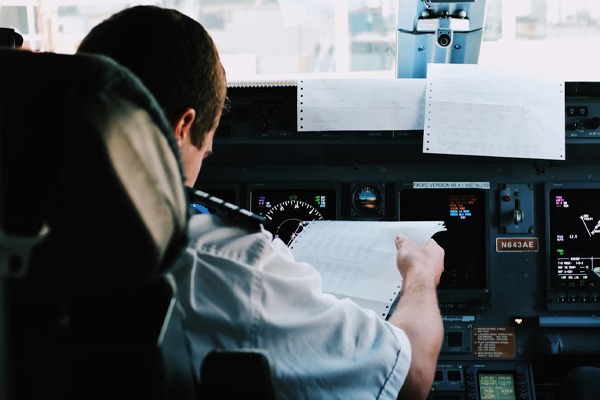
Translating Situational Awarenessto Everyday Life
While most of us aren’t navigating airspace daily, we are constantly navigating complexity – at work, at home, and in our communities. Situational awareness offers a framework for doing that more effectively.
- Being Present and Observant
In a world filled with distractions, simply noticing what’s happening around us is a skill in itself. Whether it’s picking up on a coworker’s tone in a meeting or recognizing when a child is unusually quiet, awareness starts with attention.
Aviation teaches us to actively scan – not just passively see. That means stepping back from tunnel vision and taking in the broader picture. - Understanding Context
It’s easy to misinterpret situations when we don’t take the time to understand them. In the cockpit, misreading a situation can have immediate consequences. On the ground, it can lead to misunderstandings, poor decisions, or missed opportunities.
Situational awareness encourages us to ask better questions: What’s really going on here? What factors am I not considering? How do these pieces fit together? - Thinking Ahead
One of the most valuable habits aviation instills is anticipation. Instead of reacting to problems after they arise, we begin to see them coming.
In everyday life, this might look like planning ahead for a busy week, recognizing potential conflicts before they escalate, or preparing for challenges at work before they become urgent.
This doesn’t mean living in constant worry – it means being thoughtfully prepared.
Situational Awareness asa Leadership Skill
Leaders, in particular, benefit from strong situational awareness. Whether managing a team, running an organization, or mentoring young people, the ability to read a situation accurately and respond effectively is invaluable.
A leader with good situational awareness:
- Recognizes shifts in team morale before they become major issues
- Understands how decisions will impact different stakeholders
- Anticipates challenges and prepares solutions in advance
In aviation, even a student pilot is trained to take ownership of the entire flight environment. That same sense of responsibility translates naturally into leadership on the ground.
How Aviation Training Builds This Skill
One of the reasons aviation is such a powerful teaching tool is that it provides immediate feedback. If a pilot loses awareness, it becomes evident quickly – through altitude deviations, missed radio calls, or navigation errors.
But just as importantly, aviation training builds habits that reinforce awareness:
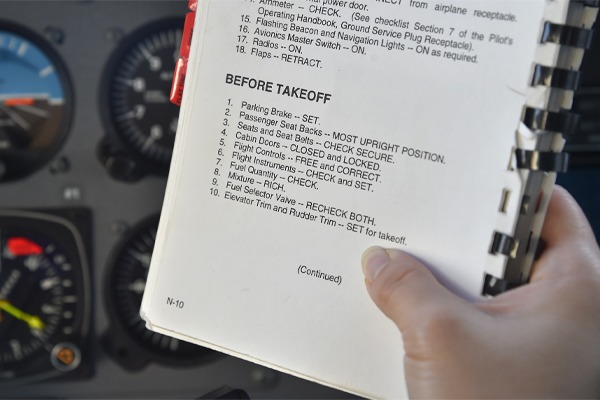
- Checklists and procedures teach discipline and consistency
- Scanning techniques develop the ability to monitor multiple inputs
- Scenario-based training encourages critical thinking and anticipation
- Debriefs foster reflection and continuous improvement
These aren’t just flying skills – they’re life skills.
A Skill That Stays With You
Perhaps the most meaningful aspect of situational awareness is that it doesn’t stay in the cockpit. Once developed, it becomes part of how you engage the world.
You start to notice more.
You understand situations more clearly.
You respond with greater intention.
For young people especially, this can be transformative. It builds confidence not through certainty, but through preparedness. It fosters independence while reinforcing responsibility.
At DreamFlight Charities, the goal is not just to introduce students to aviation – but to equip them with skills that extend far beyond it. Situational awareness is a perfect example of that mission in action.
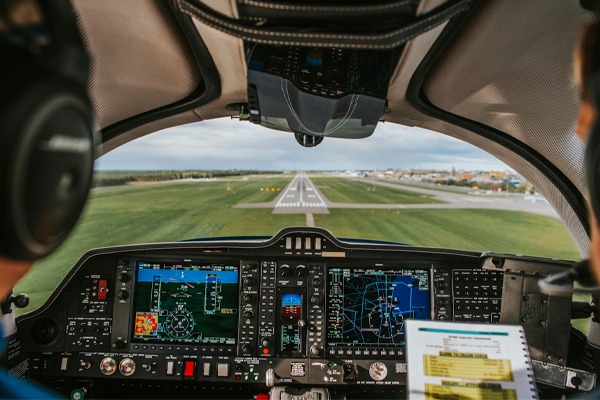
In aviation, every flight ends with an approach and landing – a phase that demands focus, awareness, and precisions. Pilots bring together everything they’ve observed, understood, and anticipated to guide the aircraft safely to the ground.
Life is much the same.
We are constantly making approaches – toward decisions, relationships, and opportunities. Situational awareness helps ensure that we do so thoughtfully, with a clear understanding of where we are and where we’re headed.
And just like in aviation, the goal isn’t to control every variable. It’s to remain aware, adaptable, and ready for what comes next.