
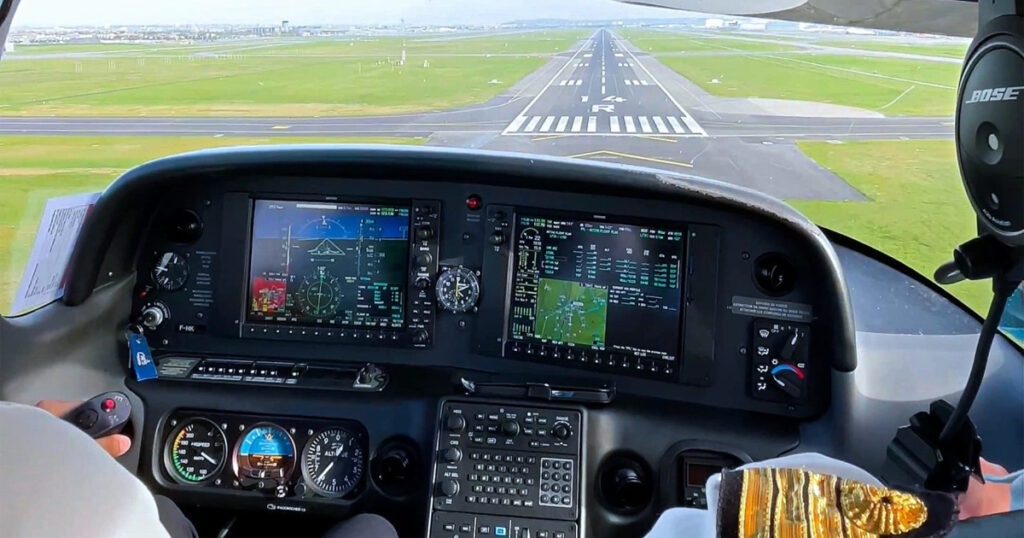
When most people look at an airplane, they see a sleek machine designed to fly through the sky. But behind every successful flight is a collection of engineered systems working together in harmony. Just like the human body relies on the heart, lungs, and nervous system, an aircraft depends on its engine, propeller, and electrical systems to operate safely and efficiently.
For aspiring pilots and aviation enthusiasts, understanding these systems is one of the first major steps toward becoming more knowledgeable about flight. While modern aircraft can appear complicated, the foundational concepts behind these systems are surprisingly approachable. In this article, we’ll explore how aircraft engines create power, how propellers turn that power into thrust, and how electrical systems keep everything functioning from startup to shutdown.
The Aircraft Engine:
The Heart of the Airplane
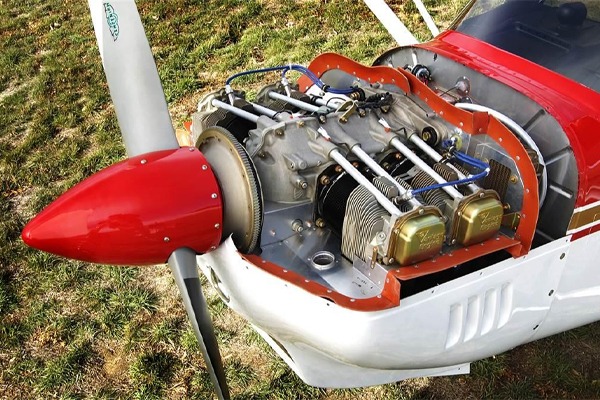
The aircraft engine is often described as the heart of the airplane, as it provides the power necessary for flight. In most small training aircraft, such as a Cessna 172 or Piper Archer, the engine is a piston engine, similar in principle to the engine found in a car.
However, aircraft engines are specifically designed for reliability, efficiency, and sustained operation at high power settings.
How A Piston Engine Works
Most training aircraft use a four-stroke internal combustion engine. The four strokes are:
- Intake
- Compression
- Power
- Exhaust
These four steps happen repeatedly inside each cylinder of the engine.
During the intake stroke, a mixture of fuel and air enters the cylinder. The piston then compresses this mixture during the compression stroke. At the right moment, a spark plug ignites the mixture, causing a controlled explosion that drives the piston downward during the power stroke. Finally, the exhaust stroke pushes burned gasses out of the cylinder so the cycle can begin again.
This process occurs many times per second in each cylinder, generating the rotational force needed to turn the propeller.
Air-Cooled vs. Liquid-Cooled Engines
Unlike most automobiles, many aircraft piston engines are air-cooled rather than liquid-cooled. As the aircraft moves through the air, cooling fins on the engine help dissipate heat.
This design reduces weight and complexity, which are critical considerations in aviation. Fewer components generally mean fewer potential points of failure.
Why Aircraft Engines Are Different
Aircraft engines are built for consistency rather than rapid acceleration. A car engine may constantly change speed while driving through traffic, but an aircraft engine often operates at high power settings for extended periods of time.
Reliability is everything in aviation. Aircraft engines are rigorously inspected, maintained, and monitored to ensure safe operation. Pilots routinely check engine instruments during flight, including:
- Oil Pressure
- Oil Temperature
- Cylinder Head Temperature
- Fuel Flow
- Engine RPM
Any unusual indication could signal a problem that requires immediate attention.

Magnetos:Independent Ignition for Safety
One unique feature of aircraft engines is the use of magnetos instead of relying entirely on the aircraft battery for ignition.
Magnetos are engine-driven electrical generators that provide spark to the spark plugs independently of the aircraft’s main electrical system. This means the engine can continue running even if the aircraft experiences a complete electrical failure.
Most aircraft engines use two magnetos for redundancy. During preflight checks, pilots test each magneto individually to ensure both are functioning properly.
Redundancy is a major theme throughout aviation safety, and the ignition system is a perfect example.
The Propeller:Turning Power into Thrust
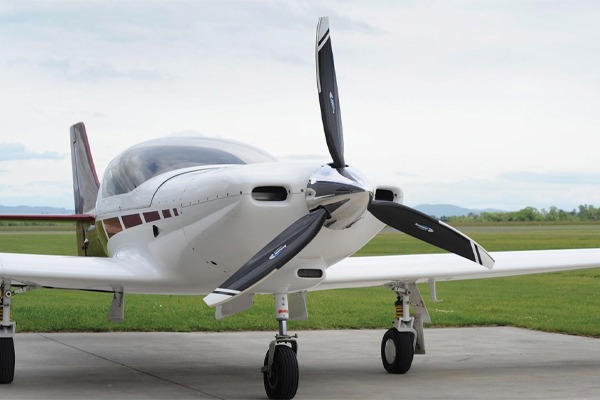
An engine alone does not make an airplane move forward. The engine’s rotational energy must be converted into thrust, and that is the job of the propeller.
At first glance, a propeller may seem simple, but it is actually a highly efficient rotating wing.
How A Propeller Produces Thrust
Each propeller blade is shaped like an airfoil, much like an airplane wing. As the propeller spins, the blades create areas of lower pressure and higher pressure, generating forward thrust.
In simple terms, the propeller accelerates air backward, and the airplane moves forward in response. This follows Newton’s Third Law of Motion (“For every action, there is an equal and opposite reaction”).
The faster the propeller spins and the more efficiently it moves in the air, the more thrust it produces.
Fixed-Pitch Propellers
Many training aircraft use fixed-pitch propellers. In this design, the blade angle remains constant during flight.
Fixed-pitch propellers are relatively simple, lightweight, and inexpensive. However, they involve a compromise between climb performance and cruise efficiency.
A propeller optimized for climbing may not perform as efficiently at higher cruise speeds, while one designed for cruising may sacrifice climb capability.
Constant-Speed Propellers
More advanced aircraft often used constant-speed propellers. These systems automatically adjust the blade angle to maintain a selected engine RPM.
This provides several advantages:
- Better fuel efficiency
- Improved climb performance
- Enhanced cruise performance
- Reduced engine wear
Pilots control the propeller system using a propeller control lever – often the blue lever in many aircraft cockpits.
By changing blade pitch, the propeller can adapt to different phases of flight much more effectively than a fixed-pitch design.
Understanding Propeller Pitch
Propeller pitch refers to the angle of the blades relative to the airflow.
A low-pitch propeller takes smaller “bites” of air and allows the engine to spin faster, which is useful for takeoff and climbing. A high-pitch propeller takes larger bites of air and is more efficient during cruise flight.
You can think of this similarly to bicycle gears:
- Low pitch = low gear for climbing hills
- High pitch = high fear for efficient cruising
Propeller Safety
Aircraft propellers demand tremendous respect. Even when an engine appears shut down, propellers can still be dangerous.
Pilots and ground personnel are trained to treat every propeller as though it could start moving at any moment. Safety around aircraft always includes maintaining awareness of propeller locations and avoiding the propeller arc.
The Electrical System:Powering the Aircraft
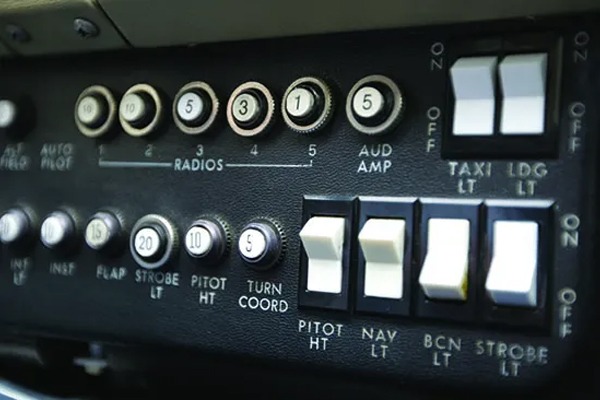
While the engine provides mechanical power, the electrical system powers many of the aircraft’s essential components. Modern aircraft rely on electricity for:
- Radios
- Navigation Equipment
- Lights
- Flight Instruments
- Avionics
- GPS Systems
- Transponders
- Cabin Systems
Without a properly functioning electrical system, pilots may lose critical situational awareness and communication capabilities.
The Aircraft Battery
The electrical system begins with the battery, providing power during engine startup while serving as a backup source of electricity if the charging system fails.
Most general aviation aircraft use either 14-volt or 28-volt electrical systems. Before flight, pilots verify adequate battery voltage and ensure the system is functioning properly.
Alternators & Generators
Once the engine is running, the alternator or generator supplies electrical power and recharges the battery.
Most modern aircraft use alternators because they perform better at lower engine RPMs. If the alternator fails during flight, the aircraft may continue operating temporarily on battery power alone. However, pilots must reduce electrical usage and plan accordingly because battery capacity is limited.
Circuit Breakers & Fuses
To protect the aircraft from electrical overloads, systems are equipped with circuit breakers or fuses.
If an electrical component draws too much current, the breaker trips to prevent overheating or potential fire hazards. Pilots are trained not to repeatedly reset a tripped circuit breaker because doing so could worsen an underlying electrical problem.
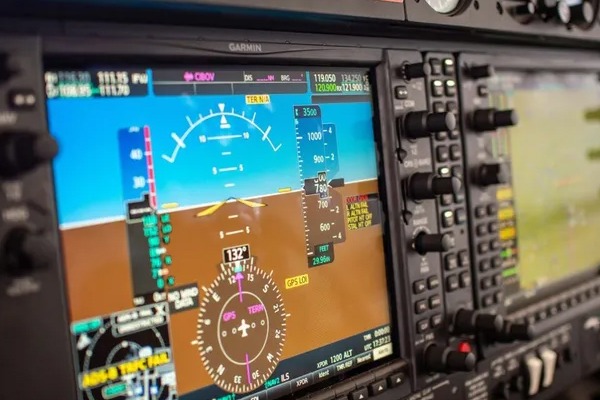
Avionics:The Aircraft's Electronic Brain
Modern cockpits contain sophisticated avionics systems that dramatically enhance safety and situational awareness. These systems include:
- GPS Navigation
- Digital Flight Displays
- Weather Radar
- Traffic Awareness Systems
- Autopilot Systems
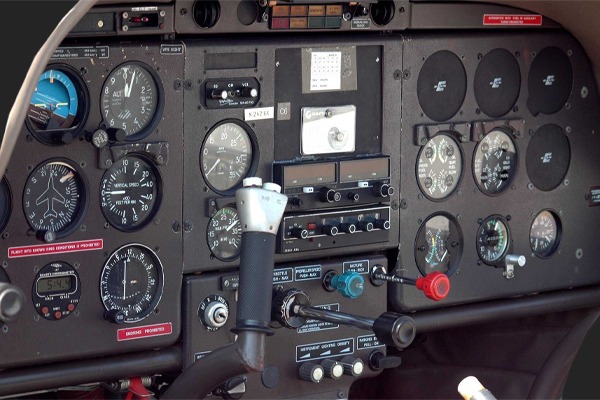
In older aircraft, pilots relied heavily on analog “steam” gauges. Today, many aircraft use glass cockpits with digital displays that integrate large amounts of information into easy-to-read screens.
While advanced technology improves safety, pilots must still understand the underlying systems and maintain strong fundamental flying skills.
Why Understanding AircraftSystems Matters
Learning about aircraft systems is not just for mechanics or engineers. Pilots must understand how their aircraft operates in order to make informed decisions and respond effectively to abnormal situations.
For example:
- An unexpected drop in oil pressure could indicate engine trouble.
- Electrical failures may require pilots to conserve battery power.
- Propeller malfunctions can affect aircraft performance and controllability.
A pilot who understands these systems is better prepared to recognize problems early and take appropriate action.
Beyond safety, aircraft systems knowledge also builds confidence. Aviation can feel intimidating at first, but understanding how the pieces work together makes the aircraft feel far less mysterious.
Here at DreamFlight Charities, introducing individuals to aviation often begins with curiosity. Questions like “How does the engine work?” or “Why does the propeller spin?” can spark a lifelong passion for flight.
Aircraft systems may seem technical, but they represent something much larger: human ingenuity, innovation, and exploration.
Every flight is the result of countless systems working together with precision and reliability. From the roar of the engine to the hum of the avionics, each component plays a vital role in helping pilots safely navigate the skies.
For students considering aviation careers – whether as pilots, mechanics, engineers, or air traffic controllers – learning these systems is an exciting first step into a world full of opportunity.
The next time you watch an airplane take off, remember that behind that graceful climb into the sky is an incredible combination of engineering, physics, and teamwork operating seamlessly together.