
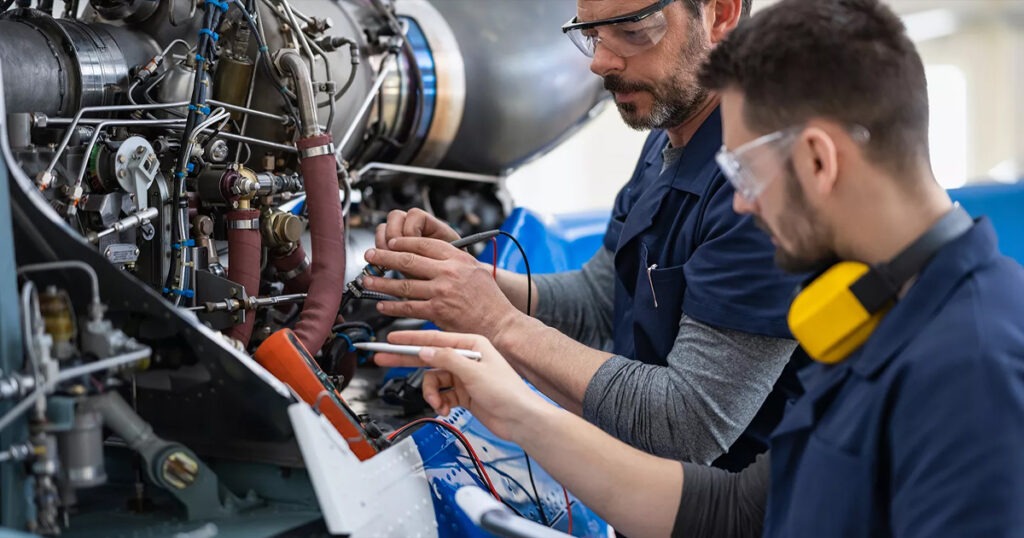
Most people picture pilots when they think about aviation, but the industry depends on thousands of highly skilled professionals working behind the scenes to keep aircraft flying safely, airports operating efficiently, and new technologies advancing the future of flight. Aviation is one of the most diverse career fields in the world, offering opportunities for students who enjoy mechanics, engineering, electronics, management, technology, and even robotics.
In Kentucky, aviation continues to grow as a major economic driver. The Commonwealth is home to major aerospace manufacturers, cargo operations, maintenance facilities, and military aviation activity – all while expanding drone and unmanned aircraft industries. DreamFlight Charities has worked hard to emphasize aviation workforce development, aiming to strengthen aviation career pathways across the state.
For students who love aviation but may not aspire for a seat in the cockpit, there are many rewarding professions worth exploring. Here are five exciting aviation careers that are helping shape the future of flight in Kentucky and beyond.
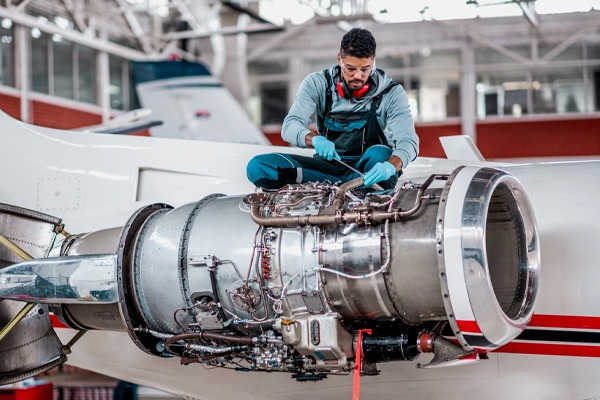
Airframe & Powerplant (A&P) Mechanic
Aircraft mechanics are the people responsible for inspecting, maintaining, repairing, and troubleshooting aircraft systems. Without certified mechanics, airplanes simply do not fly. These professionals work on engines, landing gear, hydraulic systems, flight controls, and structural components to ensure aircraft remain safe and airworthy.
The “A&P” designation refers to the two Federal Aviation Administration (FAA) certificates mechanics can earn: Airframe and Powerplant. Together, these certifications allow mechanics to work on nearly all parts of an aircraft.
Education & Requirements
Most A&P mechanics attend an FAA-approved aviation maintenance technician school, which usually takes between 18 and 24 months to complete. Students study subjects including:
- Aircraft Structures
- Reciprocating & Turbine Engines
- Electrical Systems
- Hydraulics
- Aviation Regulations
- Aircraft Inspection Procedures
After completing training, students must pass FAA written, oral, and practical examinations to earn certification. Some mechanics also gain experience through military aviation service or apprenticeships.
According to the FAA and the U.S. Bureau of Labor Statistics, aircraft and avionics mechanics typically need postsecondary training and FAA certification, with employment projected to grow faster than average over the next decade.
Kentucky Outlook
Kentucky has a strong demand for aviation maintenance professionals thanks to cargo operations, maintenance repair organizations, and aerospace manufacturing. Major aviation employers operate in cities like Louisville, Lexington, and throughout northern Kentucky. Industry experts also note that a large percentage of current mechanics are nearing retirement age, creating significant workforce demand nationwide.
For students who enjoy hands-on work, solving mechanical problems, and working around aircraft, becoming an A&P mechanic can lead to a stable, high-paying career without requiring a four-year degree.

Aerospace Engineering
Aerospace engineers design and develop aircraft, spacecraft, propulsion systems, satellites, and advanced aviation technologies. They help create everything from commercial airliners and military aircraft to rockets and autonomous flight systems.
This field combines physics, mathematics, computer modeling, and problem-solving to improve aircraft performance, safety, and efficiency. Aerospace engineers may specialize in aerodynamics, structures, propulsion, manufacturing, or flight systems.
Education & Requirements
Most aerospace engineers earn a bachelor’s in aerospace engineering or a related field such as mechanical engineering. Coursework usually includes:
- Calculus & Physics
- Aerodynamics
- Materials Science
- Computer Aided Design (CAD)
- Flight Mechanics
- Thermodynamics
Some engineers later pursue master’s degrees or professional engineering licensure for advanced roles.
The U.S. Bureau of Labor Statistics reports that aerospace engineers earn strong salaries and that employment in the field is projected to continue growing due to demand for new aircraft designs, defense systems, and space technologies.
Kentucky Outlook
Kentucky’s aerospace industry has expanded significantly in recent years, particularly in manufacturing and defense-related aviation work. The state supports aerospace engineering careers through partnerships between universities, industry, and government agencies. Kentucky is also connected to military aviation activity through facilities associated with Fort Campbell and the surrounding aerospace sector.
As aviation technology evolves to include sustainable fuels, autonomous systems, advanced materials, and artificial intelligence, aerospace engineering opportunities are expected to continue growing. Students who enjoy math, science, and innovation may find this field especially rewarding.

Airport Management
Airports operate much like small cities. They require leadership to coordinate airlines, security, maintenance, emergency services, construction projects, customer service, and business operations. Airport managers oversee the safe and efficient daily operation of airports while also planning for future growth.
Airport management professionals may work at small general aviation airports, regional airports, or major international hubs.
Education & Requirements
Most airport management careers require at least a bachelor’s degree in aviation management, business administration, public administration, or a related field. Coursework may include:
- Aviation Law & Regulations
- Airport Operations
- Finance & Budgeting
- Aviation Safety
- Air Traffic Systems
- Emergency Management
Some professionals also pursue certification through organizations such as the American Association of Airport Executives.
Strong communication, leadership, and organizational skills are essential as airport managers coordinate with government agencies, airlines, pilots, tenants, and the general public.
Kentucky Outlook
Kentucky has numerous public-use airports that support business aviation, cargo operations, tourism, and community transportation needs. Airports such as Louisville’s Muhammed Ali International Airport and Blue Grass Airport contribute significantly to the state economy through cargo and passenger service.
As Kentucky continues investing in aviation infrastructure and economic development, airport management professionals will remain important to the growth and modernization of aviation facilities across the Commonwealth. Smaller regional airports also create opportunities for students interested in community-focused aviation careers.
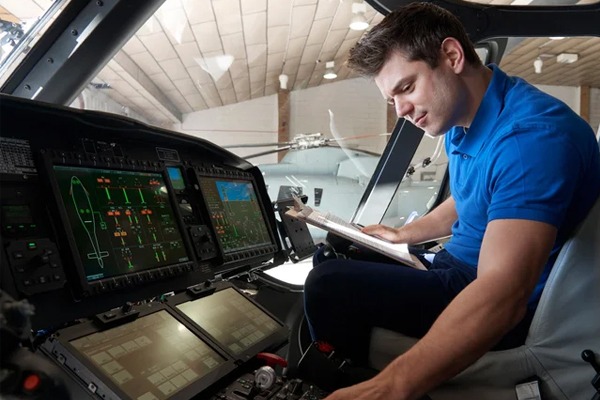
Avionics Technician
Modern aircraft rely heavily on advanced electronics. Avionics technicians install, maintain, troubleshoot, and repair the sophisticated systems used in aircraft navigation, communication, weather radar, autopilot, and flight management systems.
As aircraft technology becomes increasingly computerized, avionics technicians are playing a larger role in aviation maintenance and operations.
Education & Requirements
Many avionics technicians attend technical schools or community colleges offering aviation electronics programs. Some also begin as A&P mechanics before specializing in avionics systems. Training often includes:
- Aircraft Electrical Systems
- Wiring & Circuitry
- Digital Communications
- GPS & Navigation Systems
- Troubleshooting Techniques
- Computer Diagnostics
Employers may prefer candidates with FAA certifications, military experience, or specialized avionics training.
The U.S. Bureau of Labor Statistics projects continued demand for avionics technicians as airlines modernize aircraft fleets and aviation systems become more technology-driven.
Kentucky Outlook
Kentucky already has avionics-related employment opportunities tied to maintenance facilities, modification centers, and aviation service companies. Job postings across the state show demand for technicians familiar with modern systems such as Garmin avionics and aircraft electrical troubleshooting.
The increasing integration of automation, digital systems, and advanced cockpit technology means avionics expertise will likely become even more valuable in the future. Students interested in electronics, computers, and aviation technology may thrive in this field.
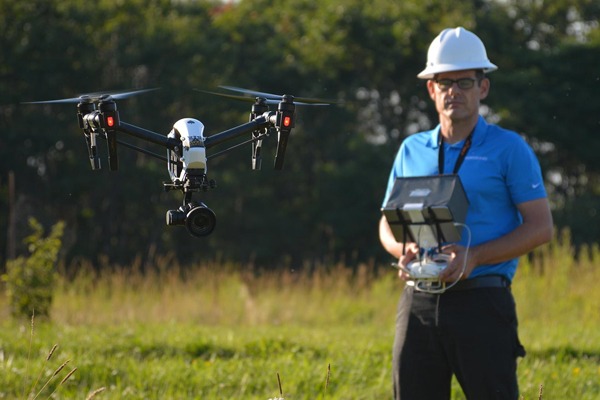
UAS & Drone Professions
One of the fastest-growing areas in aviation involves unmanned aircraft systems (UAS), commonly called drones. Drones are now used in industries including agriculture, emergency response, construction, filmmaking, surveying, infrastructure inspection, package delivery, and public safety.
Drone professionals may work as remote pilots, data analysts, aerial photographers, mapping specialists, or UAS operations managers.
Education & Requirements
Many commercial drone operators must earn an FAA Part 107 Remote Pilot Certificate. To receive this certification, applicants must pass an FAA knowledge test covering:
- Airspace Regulations
- Weather
- Drone Operations
- Aviation Safety
- Emergency Procedures
Beyond FAA certification, students can pursue training in:
- Geographic Information Systems (GIS)
- Robotics
- Photography/Videography
- Data Collection & Analysis
- Autonomous Systems
Some colleges and universities now offer dedicated UAS degree programs or certificates.
Kentucky Outlook
Kentucky is well-positioned for growth in drone operations because of its strong logistics, agriculture, and infrastructure sectors. Drones are increasingly used for crop monitoring, utility inspections, mapping, and public safety missions throughout the state.
Researchers and aviation experts also predict continued expansion of unmanned cargo operations and drone integration into the national airspace system.
As drone technology advances, demand for skilled operators and technicians will likely continue rising. For students interested in technology and innovation, UAS careers provide an exciting pathway into modern aviation.
Aviation is far more than flying airplanes. Behind every successful flight is a team of engineers, mechanics, technicians, managers, and technology specialists working together to keep the industry moving safely and efficiently.
For Kentucky students, the future of aviation offers exciting opportunities across many career paths. Whether someone enjoys hands-on mechanical work, advanced engineering, electronics, leadership, or emerging drone technology, there is likely an aviation profession that matches their interests and talents.
As the aviation industry continues evolving through new technologies and workforce growth, Kentucky’s role in aerospace will only become more important. For young people looking toward the future, aviation offers not only adventure and innovation, but also stable careers that can make a meaningful impact on the world around them.